
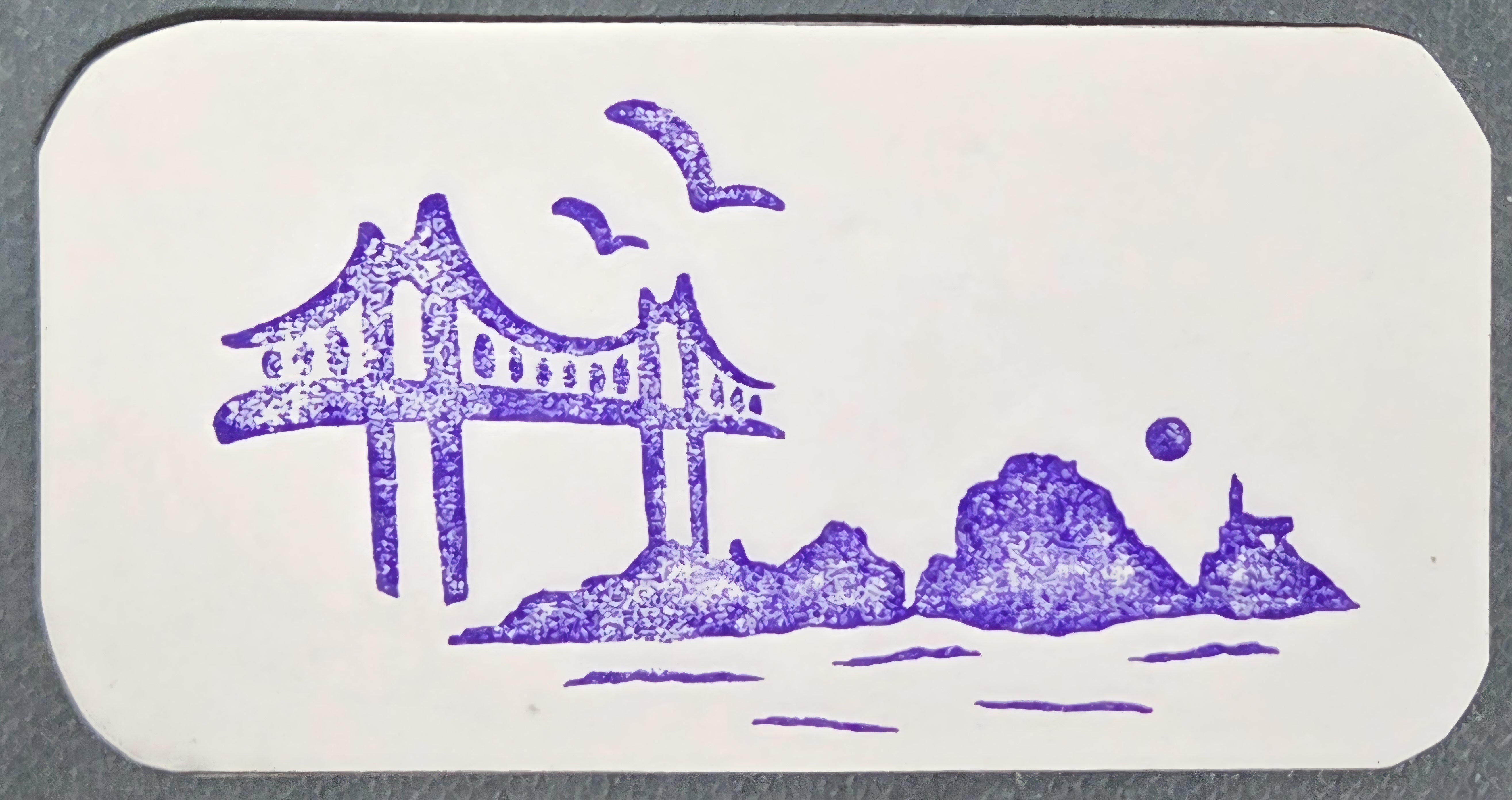

우리나라 고속도로
우리나라 고속도로 역사는 한마디로 '폐허 위의 기적' 이라 불린다. 한국전쟁으로 인해 모든 것이 파괴된 후, 1955년에 첫 국산 차인 시발(始發, Sibal)자동차가 등장했지만, 전국을 잇는 포장도로는 거의 없었고 주요 도시 간의 이동은 여전히 비포장 국도를 따라 먼지와 진흙을 헤치며 이루어졌다. 그러나 1960년대 초, 박정희 정부가 들어서면서 교통 인프라 확충이 근대화의 상징으로 인식되기 시작했다. 당시 정부는 산업화를 위해 반드시 물류 대동맥이 필요하다고 판단했고, 그 핵심이 바로 고속도로 였다.
우리나라 첫 고속도로인 경부고속도로는 1968년 2월 1일에 착공해, 그해 12월 21일에 서울-수원 구간이 첫 개통되었다. 그리고 공사 착공 2년 5개월 만인 1970년 7월 7일에 서울-부산까지 총 연장 428km의 전 구간이 개통되었다. 경부고속도로 건설은 국가의 운명을 가르는 대규모 사업이었다. 건설비만 총 429억원 들었는데, 당시 국가 1년 예산이 약 1500억 원이었으므로 경부고속도로 건설이라는 단일 사업에 국가 예산의 약 1/3 가까이 투입된 셈이다. 이 공사에 연인원 892만 명과 165만 대의 장비가 투입되었고, 건설 과정에서 77명이 사망한 것으로 기록되어 있다. 경부고속도로 개통으로 서울과 부산 간 이동 시간이 15시간에서 5시간으로 단축되었고, 물류비는 절반 이하로 감소하면서 경부고속도로는 국가 경제 성장의 핵심 동력이 되었다.
이후 호남 중부 영동고속도로 등 전국 주요 노선이 차례로 완공되며 우리나라의 고속도로망은 급속히 확대되었다. 1980년대에는 고속도로의 포장률이 높아지고, 2000년대 들어 전자 요금 징수 시스템(하이패스)도입으로 통행 효율도 크게 개선되었다. 한편, 1968년에 서울-인천 간 22.4km로 시작한 우리나라의 고속도로는 56년 만인 2024년 2월에 수도권 제2순환 고속도로로 중 포천-조안 구간이 개통됨으로써 총 연장 5000km를 돌파했다.
우리나라 고속도로는 단순한 교통 시설을 넘어 산업화의 상징이자, 전국을 연결하는 경제적 문화적 동맥으로 자리 잡아 왔다. 건설 품질과 주행 속도, 유지 보수체계, 요금 징수 및 지능형 교통 인프라 측면에서는 선진국과 비교해도 상위 수준에 속한다는 평가를 받는다.
우리나라 엘리베이터
우리나라에 엘리베이터가 처음 도입된 것은 대한제국 시기이다. 1900년대 초 서울 정동의 손탁호텔과 경운궁(덕수궁)에 외국에서 들여온 승강기가 설치되었다는 기록이 남아 있다. 일반 대중이 이용할 수 있는 시설로 보급되지 시작한 것은 1910년대 일제강점기 때였고, 경성의 주요은행, 백화점, 호텔, 관공서 건물에 엘리베이터가 설치되면서 근대적인 편의 시설로 자리 잡게 되었다.
광복 이후 1960~1970년대 경제 개발이 본격화되면서 서울과 부산을 중심으로 고층 건물이 늘어났고, 엘리베이터는 도시 생활의 필수 장치가 되었다. 특히 1970년대 이후 대규모 아파트 단지가 조성되면서 주택용 엘리베이터 수요가 폭발적으로 증가했고, 이 과정에서 국내 기업들은 해외 기술 도입과 자체 연구 개발을 병행하며 엘리베이터 핵심 기술의 국산화에 성공했다. 그 결과 우리나라는 21세기에 들어 초고층, 초고속 엘리베이터 분야를 중심으로 세계 엘리베이터 산업에서 중요한 제조 및 기술 거점으로 성장했다.
오늘날 우리나라는 세계에서 가장 빠른 초고속 엘리베이터 기술을 보유한 나라로서, 현대엘리베이터는 2020년에 분속 1,260m의 초고속 엘리베이터 기술 개발에 성공했으며, 이는 당시 세계 최고 수준의 속도로 소개되었다. 이 속도는 세계 최고 높이 건물인 두바이 부르즈 할리파(높이 약 830m)를 46초 만에 주파할 수 있는 속도이다.
Expressways in South Korea
The history of South Korea's expressways is often described as "a miracle built upon the ruins of war." After the Korean War, much of the country's infrastructure had been destroyed. Although the first Korean-made automobile, the Sibal ("New Start") car, appeared in 1955, there were very few paved roads connecting major cities. Most long-distance travel still took place on unpaved national roads filled with dust in dry weather and mud after rain.
In the early 1960s, following the inauguration of President Park Chung-hee's government, expanding the nation's transportation infrastructure became a symbol of modernization. The government believed that a nationwide logistics network was essential for industrialization, and expressways became the backbone of that vision.
Construction of South Korea's first expressway, the Gyeongbu Expressway, began on February 1, 1968. The first section between Seoul and Suwon opened on December 21 of the same year. Remarkably, only two years and five months after construction began, the entire 428-kilometer route connecting Seoul and Busan was completed on July 7, 1970.
The Gyeongbu Expressway was one of the largest national projects in Korean history. The total construction cost was 42.9 billion won, nearly one-third of the country's annual national budget at the time, which was about 150 billion won. Approximately 8.92 million workers and 1.65 million pieces of construction equipment were mobilized for the project, and 77 workers lost their lives during construction.
The completion of the expressway reduced travel time between Seoul and Busan from about 15 hours to just 5 hours, while cutting transportation costs by more than half. It became a driving force behind South Korea's rapid economic growth.
In the following decades, major expressways—including the Honam, Jungbu, and Yeongdong Expressways—were completed, rapidly expanding the national highway network. During the 1980s, road quality and paving standards improved significantly. In the 2000s, the introduction of the electronic toll collection system, known as Hi-Pass, greatly enhanced traffic efficiency.
South Korea's expressway system began with just 22.4 kilometers between Seoul and Incheon in 1968. Fifty-six years later, in February 2024, the opening of the Pocheon–Joan section of the Seoul Metropolitan Area Second Ring Expressway pushed the nation's total expressway network beyond 5,000 kilometers.
Today, South Korea's expressways are much more than transportation routes. They symbolize the country's industrialization and serve as vital economic and cultural arteries connecting the entire nation. In terms of construction quality, driving conditions, maintenance systems, toll collection, and intelligent transportation infrastructure, South Korea's expressway network is widely regarded as being among the world's finest.
Elevators in South Korea
The first elevators in Korea were introduced during the Korean Empire in the early 1900s. Historical records indicate that imported elevators were installed at the Sontag Hotel in Jeong-dong, Seoul, and at Gyeongungung Palace (today's Deoksugung Palace).
Elevators became available to the general public during the Japanese colonial period in the 1910s. They were installed in major banks, department stores, hotels, and government buildings in Seoul, gradually becoming a symbol of modern convenience.
Following Korea's liberation, rapid economic development during the 1960s and 1970s led to the construction of increasingly taller buildings, particularly in Seoul and Busan. Elevators soon became an essential part of urban life. As large apartment complexes spread throughout the country in the 1970s, demand for residential elevators grew dramatically.
During this period, Korean companies combined imported technology with their own research and development, eventually succeeding in localizing key elevator technologies. As a result, South Korea has grown into one of the world's leading manufacturing and technology hubs for high-rise and high-speed elevators.
Today, South Korea is recognized as one of the global leaders in ultra-high-speed elevator technology. In 2020, Hyundai Elevator successfully developed an elevator capable of traveling at 1,260 meters per minute, making it one of the fastest elevators in the world at the time.
At that speed, it could travel the entire height of the Burj Khalifa in Dubai—the world's tallest building at approximately 830 meters—in just 46 seconds.
