
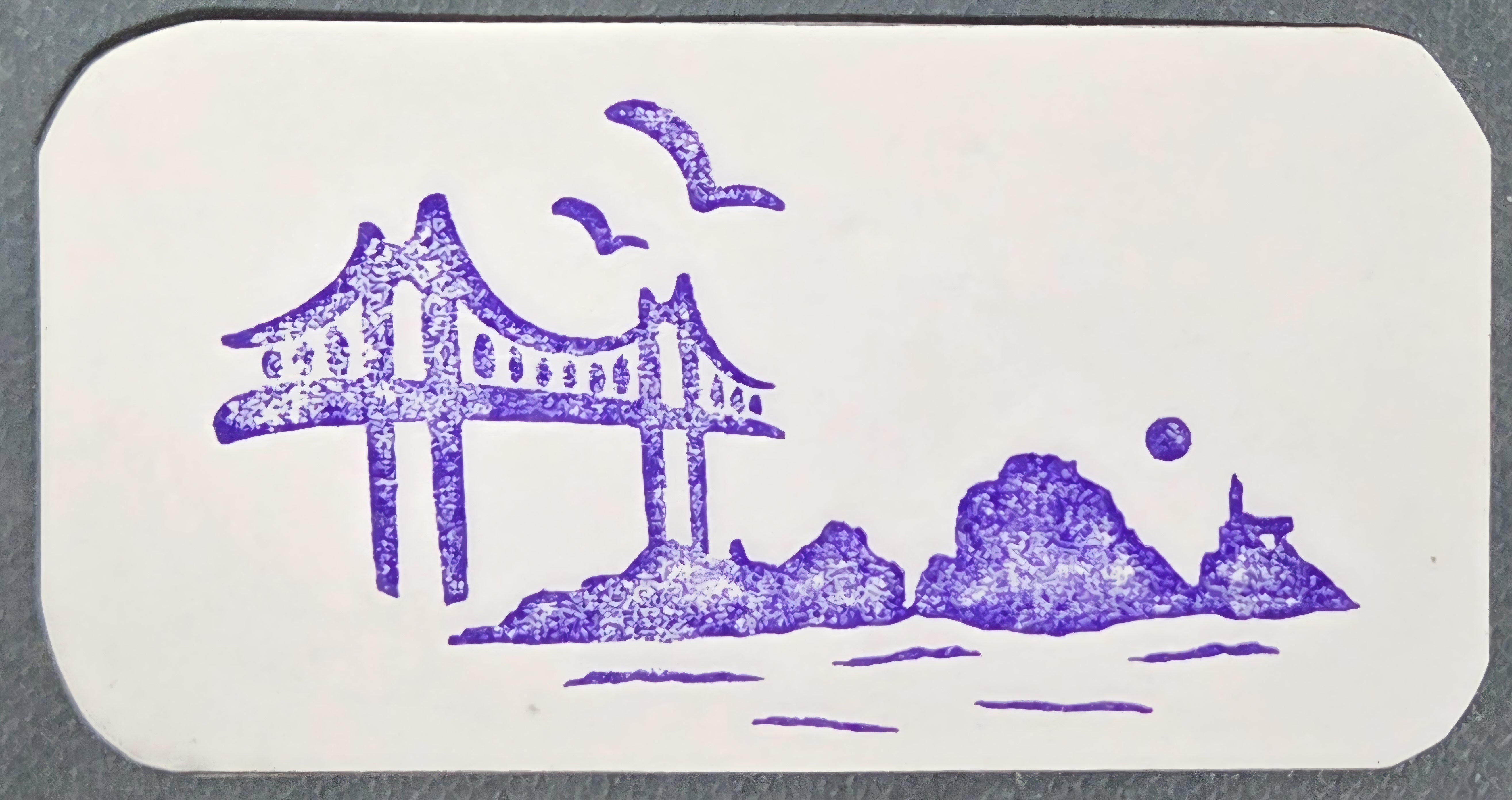

부산항의 끝머리 부분에 해당하는 7,8 부두 뒤편으로 부산 남구 우암동이 있다. 우암포구에는 자연적으로 형성된 소처럼 생긴 바위가 마을을 지키며 서 있어서 우암(牛岩)이라는 이름이 붙었다고 전해진다. 일제강점기 때 이곳은 '아카사키(적기)'로 불렸는데, 소들을 검역하고 일본으로 연 4만마리, 조선의 소 80%를 반출하는 검역소와 소막사 40동이 있었다.
1945년 광복 후 일본에서 돌아온 귀환 동포들이 살 곳이 없자 임시로 소막을 주택으로 개조하여 생활하고 있었다. 1950년 6.25 한국전쟁으로 피난민들이 우암동에 몰려들면서 인구가 급증하기 시작했다. 피난민들은 소막을 개조하거나 판잣집을 지어 살았으며, 공동묘지가 있는 산으로까지 주거하였다.
피난민 중 여성들은 먹고 살기 위해서 주로 행상을 하였는데, 시장 좌판이나 노점에서 먹거리 장사를 하기도 하고, 먹거리를 만들어 피난민 수용소나 군부대 주변을 돌아다니면서 팔기도 했다. 북쪽의 피난민을 대상으로 장사하기에는 북쪽의 음식이었던 냉면이 제격이었지만, 냉면은 부산 토박이들에게는 어울리지 않았다. 그러던 와중 함경도 내호에서 냉면집을 하던 친정 어머니와 함께 피난 온 정한금 씨가 1952년에 우암동에 '내호냉면' 가게를 내면서 부산의 밀면이 시작되었다.
처음에는 내호냉면의 정한금 씨도 흥남에서 했던 냉면 장사를 시작했다. 변변치 않아 식탁이 있을 리 없었으니 나무로 된 박스를 엎어서 사용하였고, 사기 대접 몇개를 얻어서 냉면을 팔았다. 그러나 생각한 만큼 냉면이 잘 팔리지 않았다. 피난민들을 제외하고서라도 부산 토박이들이 냉면을 잘 먹지 않았기 때문이다. 그래서 생각한 꾀는 냉면과 국수 장사를 같이 하는 것, 냉면은 피난민들에게, 국수는 경상도 사람에게 파는 두 가지 방식을 취하였다. 이 때 이 지역 피난민들에게 구호 식량으로 밀가루가 배급되었다. 미국은 전쟁 기간 동안 한국인의 식량난을 해소하고, 사회 안정을 이루기 위해서 농산물을 원조하였는데 대표적인 원조식량이 밀이었다. 이러한 원조는 미국 잉여 농산물의 재고량을 줄이기 위한 목적도 있었다. 굶주림에 지친 피난민들에게 식량 원조는 그 자체로 희소식이었지만, 막상 밀가루를 받고 보면 북한 사람의 음식재료로는 맞지 않았다.
정한금 씨도 밀가루를 받았지만 북쪽에서는 수제비를 잘 먹지 않았던 탓에 별로 쓸모가 없었다고 한다. 그렇다고 아까운 식량을 버릴 수도 없는일. 거기다 냉면에 들어가는 전분은 비싸거니와 구하기도 쉽지 않았으므로 밀가루를 섞어서 냉면을 만들어 보기로 했다.
밀가루만으로 냉면을 만들었더니 면발이 힘이 없고 뚝뚝 끊어졌다. 수차례 실험을 한 끝에 밀가루와 전분을 3:1의 비율로 혼합해 보았다. 쫄깃하면서 고소한 맛이 나는 것이 진미였다. 내친 김에 정한금 씨는 이 새로운 냉면을 손님들에게 팔기 시작했는데, 이를 먹어본 사람들은 누구나 좋아했다. 원래 정한금 씨는 이 냉면을 밀가루가 들어간 냉면이라 해서 '밀냉면'이라고 불렀다고 한다. 그러나 성질이 급한 부산 사람들은 '밀냉면'을 줄여서 '밀면'으로 불렀다.이처럼 밀가루와 전분이 적당히 섞인 밀면의 탄생은 시대가 만들어낸 사회상과 사람들의 입맛과 선택이 버무려진 결과의 산물이다.
6.25 전쟁 통에 생긴 '짝퉁 냉면'인 '밀면'은 부드럽고, 배고픈 사람의 배를 채워주었고, 가격은 저렴했으며(1952년 당시 10~20원), 맵고 새콤한 향토 음식으로 부산 사람의 성향을 닮아 인기가 많았다고 한다. 밀면은 피난민의 향수 어린 고향 음식으로부터 전해져 왔지만 이제는 밀면을 맛보지 못한 부산 사람이 드물 정도로 부산을 대표하는 음식이 되었다.
10여년전 부산의 밀면집이 340여 곳이었고, 냉면집이 80여 곳 이었다.
Behind Piers 7 and 8 at the far end of Busan Port lies Uam-dong in Nam-gu, Busan. In Uam Harbor, a rock naturally shaped like a cow stands as if guarding the village, and it is said that the name “Uam” (牛岩, meaning “Cow Rock”) originated from this feature. During the Japanese colonial period, the area was called “Akasaki” (Red Cape), and it housed quarantine stations and about 40 cattle sheds, where cattle were inspected and shipped to Japan—up to 40,000 head annually, accounting for about 80% of Korea’s cattle exports.
After liberation in 1945, returning Koreans from Japan had nowhere to live, so they temporarily converted the cattle sheds into makeshift homes. With the outbreak of the Korean War in June 1950, refugees flooded into Uam-dong, and the population rapidly increased. Refugees either remodeled cattle sheds or built shanty houses, even settling on hills that had once been communal graveyards.
Among the refugees, many women made a living through peddling. They sold food at market stalls or street stands, and some prepared food to sell while moving around refugee camps and military bases. For northern refugees, naengmyeon (cold noodles) was an ideal dish, as it was familiar to them. However, it did not appeal much to the local people of Busan. Around this time, Jeong Han-geum, who had fled from Naeho in Hamgyeong Province with her mother—who had run a naengmyeon restaurant—opened a shop called “Naeho Naengmyeon” in Uam-dong in 1952. This marked the beginning of Busan’s milmyeon.
At first, Jeong Han-geum continued selling the kind of naengmyeon she had made in Heungnam. Lacking proper facilities, she overturned wooden boxes to use as tables and borrowed a few ceramic bowls to serve her noodles. However, the dish did not sell as well as expected, partly because Busan locals were not accustomed to eating naengmyeon. So she came up with a new idea: selling both naengmyeon and guksu (wheat noodles)—naengmyeon for refugees and guksu for locals.
At that time, refugees in the area received wheat flour as relief supplies. During the war, the United States provided agricultural aid to Korea to alleviate food shortages and maintain social stability; wheat was one of the most representative aid items. This aid also served to reduce surplus agricultural stock in the U.S. Although the food aid was welcome news for hungry refugees, wheat flour was not well suited to the traditional cuisine of people from the North.
Jeong Han-geum also received wheat flour, but since dishes like sujebi (hand-torn dough soup) were not common in the North, she found it of little use. Still, she could not afford to waste such valuable food. Moreover, starch—an essential ingredient for naengmyeon noodles—was expensive and difficult to obtain. So she decided to experiment by mixing wheat flour into the noodles.
When she first made noodles using only wheat flour, they lacked elasticity and broke easily. After repeated trials, she found that mixing wheat flour and starch in a 3:1 ratio produced noodles that were pleasantly chewy and nutty in flavor. Encouraged by the result, she began serving this new version of naengmyeon to customers, and it quickly gained popularity. She initially called it “mil-naengmyeon” (wheat cold noodles), but Busan locals, known for their quick speech, shortened it to “milmyeon.”
Thus, milmyeon—made from a balanced mixture of wheat flour and starch—was born out of the social conditions of the time, shaped by people’s tastes and choices.
Born during the Korean War as a kind of “imitation naengmyeon,” milmyeon was soft, filling for the hungry, and inexpensive (10–20 won in 1952). Its spicy and tangy flavor matched the palate and character of Busan people, helping it gain widespread popularity. Although it originated from the nostalgic cuisine of northern refugees, milmyeon has since become a signature dish of Busan, so much so that it is now rare to find a Busan native who has never tasted it. About a decade ago, there were around 340 milmyeon restaurants in Busan, compared to about 80 naengmyeon restaurants.
