
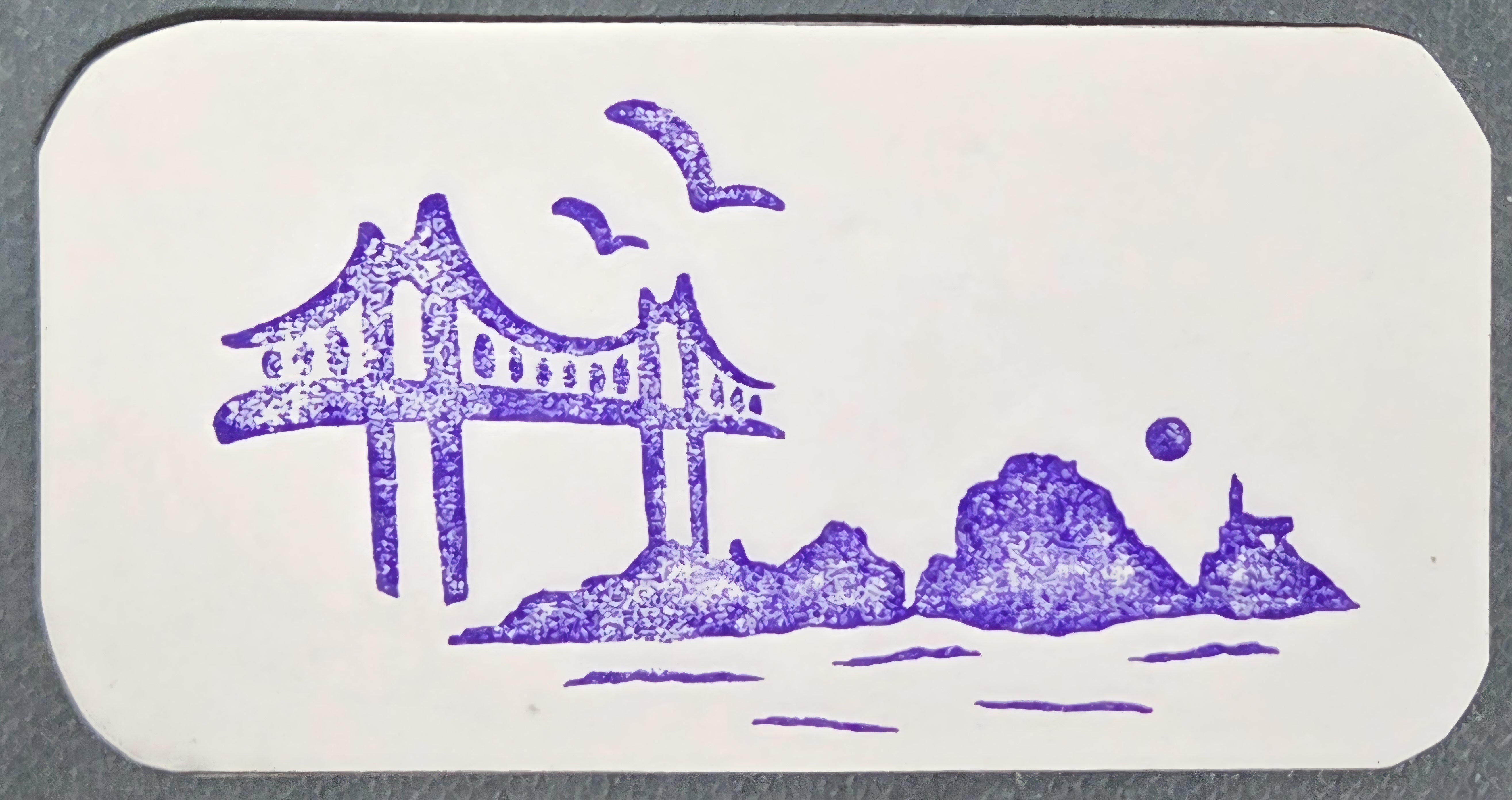

개항과 함께 조선은 일본 자본가들의 `기회의 땅` 이었으며, 일본과 마주 보고 있는 부산은 경제 수탈과 횡포가 가장 심한 곳이 되고 말았다. 광복과 함께 일본인들이 썰물처럼 빠져나갔지만 대신 일본에서 돌아온 150만 귀환 동포 중 20여 만명이 부산에 자리를 잡기 시작했다. 1937년 일베가 조사 발표한 부산의 인구는 213,142명 이며, 일제는 1965년쯤 40만 명에 이를 것에 대비하여 주택이나 도로, 상하수도 시설을 정비하는 식민지 도시계획을 수립했다.
해방이 되자 부산은 해외에서 돌아오는 동포들과 일본으로 가려는 일본인들이 뒤섞여 한동안 아수라장이었다. 귀국선을 타고 돌아오는 귀환 동포들을 만나는 가족들의 감동과 새로운 희망을 지켜본 손로원이 부산에서 만든 노래가 백설희의 <귀국선> 이라는 노래라 한다.
당시 인구 33만명 정도의 부산에 엄청난 동포들이 모려들어 혼란이 채 가시기도 전에 6.25전란으로 인해 50여 만 명의 피난민들이 한꺼번에 밀려들자 부산은 아비규환의 북새통 이었다.
6.25 직후 남한의 1차 피난민은 그런 대로 수용했지만 1.4후퇴에 따른 북한의 2차 피난민은 군인, 경찰, 공무원 등 신분이 확인된 가족만 부산에 들어오고 대부분 거제나 제주 등지로 밀려났다. 각종 신분증이나 증명서가 없이 부산의 거리로 나섰다가는 외지로 강제 이송되는 일이 다반사였다.
임시수도 부산은 적기의 소 검역소와 영도의 대한도기, 영도 해안가, 청학동, 대연고개, 남부민동, 괴정 등 40여 곳에 피난민 수용소를 마련했으나 수용인원은 채 7만도 되지 않았다. 그나마 피난민 마을로 그런 대로 자리를 잡은 곳은 당감동 아바이마을과 아미동 비석마을, 우암동 소 막사 등이다. 서울이 수복되어도 돌아갈 곳이 없었던 피난민들의 악전고투가 오늘의 부산을 일궈낸 뿌리이다.
소설가 김동리는 당시 부산의 모습을 단편소설 <밀다원 시대>에서 " 끝의 끝, 막다른 끝, 거기서는 한 걸음도 떠나갈 수 없는, 한 걸음만 더 내디디면 바다에 빠지거나 허무의 공간으로 떨어지고 마는 그러한 최후의 점 같은 곳" 이라고 묘사하고 있다.
동족상잔의 한국전쟁은 브래들리 미국 합참의장의 맥아더 청문회의 증언처럼 "잘못된 곳에서, 잘못된 시기에, 잘못된 적을 만난, 잘못된 전쟁" 이다. 전란 3년 동안 300만 명이 희생되었으며, 그 중의 280만명이 한국인 이었다. 북한 인구의 18%와 남한 인구의 9.5%가 사망한 것이다. 남한에서만 30만 명의 젊은 여성이 청상과부가 되었으며, 전쟁고아도 10만 명이 넘었다.
6.25는 승자는 없고 패자만 있는 전쟁이었다. 그리스 역사학자 헤로도토스가 "전쟁 때에는 아버지가 아들을 땅에 묻어야 한다." 고 했지만, 아들의 사체를 찾을 길조차 없는 경우가 허다했다. 한국전쟁은 일어나지 말아야 할 참혹한 재앙이었지만, 결과적으로 최빈국이었던 대한민국이 최강대국 미국과 직접 교류함으로써 급속히 발전할 수 있는 행운을 가져왔다.
한국 사진계의 선구자인 부산 출신 사진작가 임응식 씨는 이 무렵 임시수도 부산의 참담한 모습을 적나라하게 보여 주고 있다. 원래 황토색 짙은 서정적 분위기의 작품에 매달렸던 임응식 씨는 한국전재을 계기로 현실의 고단한 모습을 담아내는 생활주의 리얼리즘 작가로 변신했다.
'구직求織' 이라고 쓴 종이 광고를 가슴에 걸고 벽에 비슴듬히 서 있는 사나이의 모습은 전후 시대상을 잘 묘사한 걸작으로 꼽히며, 지난 IMF 외환위기 때에 자주 인용되기도 했다.
1953년 통계에 따르면, 한국의 1인당 국민소득은 필리핀의 3분의 1 수준인 67달러로 세계 최빈국 이었다. 한국전쟁 당시 외국 구호단체난 정부에서 굶주리는 일부 피난민들에게 식사 배급을 하면서 커다란 나무솥뚜껑을 열기 5분 전 "배식 시작!" 을 외치면 운집한 사람들이 앞다투어 밀려드는 바람에 아수라장이 되곤 했는데, 여기서 나온 말이 '개판開板 5분 전' 이라고 한다.
그런가 하면 몰래 물건을 슬쩍슬쩍 훔치는 좀도둑을 '얌생이(염소의 사투리)' 라고 하는 말이 이 무렵 생긴 것이다. 미국의 원조물자가 쌓여 있는 부산 미군부대에 도둑이 잦아 경비가 철저 했는데, 어느 날 염소 한 마리가 철조망을 뚫고 들어와 주인을 들여보냈더니 염소 추적을 핑계로 물건을 훔쳐 나왔다 한다. 그 후로 이 염소 주인은 몇번을 반복하다가 구속되었다 한다. 이런 절도행위를 '얌생이 몬다' 라고 했는데, 이제는 이 말이 어엿이 표준어로 올라 있다.
미군들이 부대에서 가끔씩 물건을 들고 나가면서 "다음에 쓰려고 세이브(Save. 비축하다) 한다." 는 말을 들어왔던 탓에 몰래 물건을 훔쳐나가는 것이 부산에서는 요즘도 '쌔빈다.' 로 통한다.
허기를 견디지 못한 피난민들은 방앗간의 등겨를 담아와서 주신 배를 채웠으며, 술 찌꺼기로 요기를 한 꼬마들이 술에 취해 비틀거리는 모습은 흔한 풍경 이었다 한다. 온 식구가 단칸방에 쫄쫄 굶고 있는데 한밤중에 도둑이 들자 얼씨구나 하며 오히려 도둑을 털었던 일도 있었다. 1950년대 중반 우리나라 범죄자의 20%가 소년범이었던 것도 전쟁고아와 무관하지 않다.
With the opening of the ports, Joseon became a “land of opportunity” for Japanese capitalists, and Busan, facing Japan across the sea, became the city where economic exploitation and oppression were most severe. After liberation, the Japanese left like the ebbing tide, but among the 1.5 million Koreans who returned from Japan, about 200,000 settled in Busan. According to a 1937 survey conducted by the Japanese colonial authorities, Busan’s population was 213,142. Anticipating that it would reach 400,000 by around 1965, the colonial government established an urban development plan that included improvements to housing, roads, and water and sewage systems.
Immediately after liberation, Busan was in chaos as returning Koreans from overseas and Japanese residents leaving for Japan became intertwined in confusion. It is said that Son Rowon, who witnessed the emotional reunions and new hopes of families welcoming loved ones arriving on repatriation ships, composed the song “Returning Ship,” later sung by Baek Seol-hee, in Busan.
At that time, Busan’s population was about 330,000. Even before the initial confusion subsided, approximately 500,000 refugees flooded into the city due to the Korean War, turning Busan into a scene of utter pandemonium. After the outbreak of the war, the first wave of refugees from the South was somehow accommodated. However, during the January 4 Retreat, only families of soldiers, police officers, and government officials whose identities could be verified were allowed to enter Busan, while most of the second wave of refugees from the North were sent to places such as Geoje and Jeju. Those without proper identification risked being forcibly relocated if found wandering the streets of Busan.
As the temporary capital, Busan established over forty refugee camps in places such as the cattle quarantine station at Jeokgi, the Korea Ceramics factory in Yeongdo, the Yeongdo waterfront, Cheonghak-dong, Daeyeon Hill, Nambumin-dong, and Goejeong. However, the total capacity was fewer than 70,000 people. Among the refugee settlements that eventually took root were Abai Village in Dangam-dong, Tombstone Village in Ami-dong, and the cattle barracks in Uam-dong. Even after Seoul was recaptured, many refugees had nowhere to return. Their desperate struggles became the foundation of today’s Busan.
The novelist Kim Dong-ri described Busan of that time in his short story The Age of Mildawon as “the end of the end, the ultimate dead end, a final point from which one cannot take a single step further—where one more step would mean falling into the sea or into the void.”
The Korean War, a fratricidal conflict, was described by U.S. Chairman of the Joint Chiefs of Staff Omar Bradley during the MacArthur hearings as “the wrong war, at the wrong place, at the wrong time, and with the wrong enemy.” Over the three years of war, approximately three million people were killed, 2.8 million of them Koreans. Eighteen percent of North Korea’s population and 9.5 percent of South Korea’s population perished. In South Korea alone, 300,000 young women became war widows, and more than 100,000 children were orphaned.
There were no winners in the Korean War. As the Greek historian Herodotus once said, “In peace, sons bury their fathers; in war, fathers bury their sons.” Yet in many cases, even the bodies of sons could not be found. Although the war was a tragic catastrophe that should never have occurred, it paradoxically created an opportunity for South Korea—then one of the poorest countries in the world—to develop rapidly through direct engagement with the United States.
Im Eung-sik, a pioneering photographer from Busan, vividly documented the grim reality of the temporary capital during this period. Originally devoted to lyrical works in earthy tones, he transformed into a social realist photographer capturing the hardships of everyday life after the war. His photograph of a man standing against a wall with a sign reading “Seeking Work” hanging from his chest became an iconic image of the postwar era and was frequently cited during the IMF financial crisis decades later.
According to 1953 statistics, South Korea’s per capita income was only 67 dollars—one-third that of the Philippines—making it one of the poorest countries in the world. During the war, when foreign relief organizations and the government distributed food to starving refugees, they would shout “Meal distribution begins!” five minutes before opening the large cauldron lids. As crowds surged forward in chaos, the expression “five minutes before total chaos” (gaepan o bun jeon) was born.
The slang term yamsaengi, referring to a petty thief, also originated around this time. U.S. military bases in Busan stored American aid supplies, and theft was frequent despite strict security. According to one story, a goat broke through a barbed-wire fence and led its owner inside. Pretending to search for the goat, the owner smuggled out goods. After repeating this several times, he was eventually arrested. Such acts of theft came to be called “driving a goat” (yamsaengi monda), and today the word yamsaengi is recognized in standard Korean.
Likewise, because American soldiers would say they were going to “save” items for later use, the Busan dialect expression ssaebinda came to mean secretly stealing something.
Refugees, unable to endure hunger, filled their stomachs with bran from mills, and children who ate fermented grain mash sometimes staggered drunkenly in the streets. There were even cases where families starving in a single room would end up robbing the thief who broke in at night. By the mid-1950s, 20 percent of criminals in Korea were juveniles—a reality closely tied to the war orphans.

'부산 Busan' 카테고리의 다른 글
| 6.25전쟁과 부산의 격동(2)The Korean War and Busan's Turbulent Years (0) | 2026.02.22 |
|---|---|
| 숫자로 보는 영도 깡깡이마을 Kkangkkangi Village in Yeongdo by the Numbers (1) | 2026.02.20 |
| 부산의 일본인 The Japanese in Busan (1) | 2026.01.09 |
| 부산의 외국인 거리들(2) Busan`s foreign districts (0) | 2026.01.07 |
| 부산의 외국인 거리들(1) Busan`s foreign districts (1) | 2026.01.06 |