
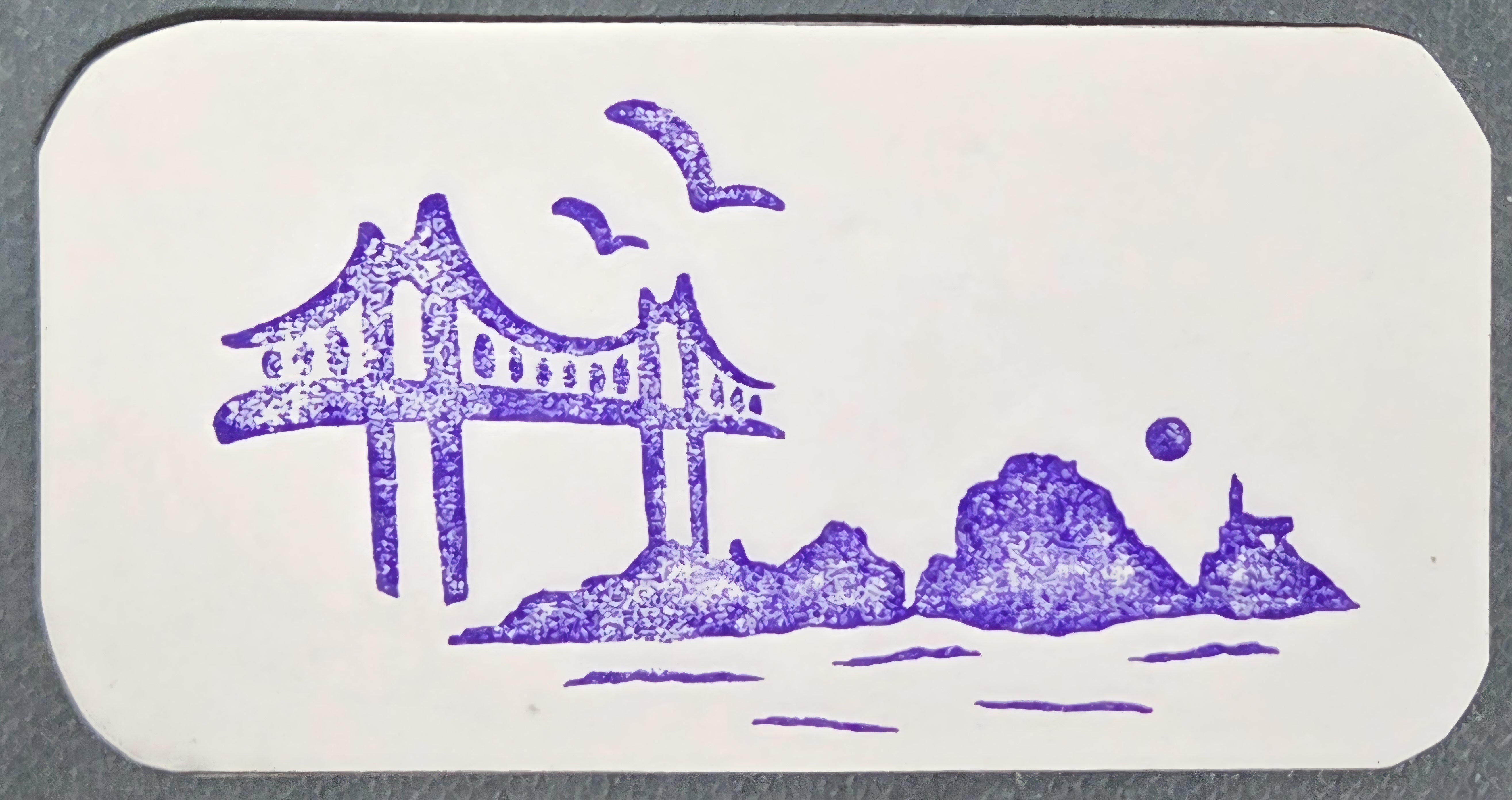

부산은 우리나라 어느지역보다 외지인이 많이 드나드는 대륙의 관문이다. 초량왜관을 비롯한 청국거리(상해거리), 텍사스거리, 러시아거리 등 외국인들의 활동이 두드러진 곳이다.
부산역 맞은편에는 1999년 부산시가 상해시와 자매결연한 기념으로 중국인들이 직접 세운 붉은색 상해문(上海門)이 있다. 원래 이곳은 동래부사가 초량왜관을 행차할 때 지나가던 백사청송(白沙靑松)의 바닷가 길목 이었다. 지금의 차이나타운은 구한 말 중국의 조계지였다.
조계지는 자국민의 생명과 재산을 보호하기 위해 독자적 행정권을 행사하는 치외법권 지역이다. 1884년 이곳에 청국영사관이 설치되면서 중국 상인들의 집단촌인 청관마을이 형성 되었다. 청나라 영사관 주변이 조계지 조성을 위해 초량 앞바다의 모래사장과 송림을 매립, 매축하고 공동묘지도 아미동으로 옮겼다. 용두산 주변의 일본인 마을 왜관거리에 빗대어 이곳을 청관거리라고 불렀다.
1882년 임오군란의 책임을 물어 대원군을 납치할 정도로 오만했던 청나라 였다. 중국인들의 행패는 대단했다. 중국가게에 들러 흥정만 하고 물건을 사지 않으면 폭력을 행사하기도 했고 밤이 되면 조선인들은 청관 주변에 함부로 다닐 수가 없었다. 중국인 화교가 왜관에 `덕흥호` 라는 가게를 열어 중.일간 외교 마찰이 일어났을 때도 힘없는 조선이 중국에 위약금을 물어주어야 했다.
그러나 청일전쟁(1894년)으로 일본에 패한 후 중국인들의 기가 꺾이면서 차이나타운은 명맥만 유지하게 된다.
부산의 차이나타운이 가장 큰 수난을 당한 것은 1931년 6월 만보산 사건 때문이다. 중국 지린성 만보산 지역의 조선인과 중국인 농민들 사이에 농지의 수로 문제로 약간의 다툼이 있었는데 "조선인들이 중국에서 박해를 받아 많은 사람들이 살해되었다."는 잘못된 소문이 돌았다. 이에 전국에서 중국집 보복습격 사건이 일어나게 된다. 물론 이것은 일본의 이간질과 일부 언론의 오보로 야기된 것이다.
대부분의 중국 가게들은 불에 타버렸고, 생명이 위급해진 화교들은 초량의 중국영사관으로 피신했다. 청관거리는 피비린내 나는 아수라장 이었다. 성난 조선인 군중들은 영사관을 에워싸고 돌을 던지며 행패를 부리기도 했다. 전국적으로 400회 이상의 중국인 습격이 있었으며, 목숨을 잃거나 실종된 화교는 233명이고 중상자도 546명으로 집계되었다. 가장 피해가 심한 곳은 평양으로 중국인 사망자가 94명이었다.
화교 박해가 심각해지자 동아일보(1931년 7월 9일자)는 `2천만 동포에 고함` 이라는 사설을 통해 "중국에 있는 우리 동포들은 모두 무사하고 안전하니 국내 중국 사람들에게 제발 폭행을 하지 말아 주세요." 라는 호소문을 실었다.
"호떡집에 불났다." 라는 말도 이 무렵 중국음식점 테러에서 생긴 것이다. 만보산사건의 폭동을 주도한 조선인 1명이 사형 당하고 1,011명이 처벌을 받았으며, 갑자기 죄수가 늘어나자 감옥을 증축하기까지 했다. 중국인 배척 광풍이 한 차례 휩쓸고 난 이후 부산의 화교 수도 절반 가까이 줄었다.
광복에 이어 한국전쟁을 계기로 미군과 UN군이 진주해옴으로써 초량 주변은 이른바 `텍사스촌`이라는 유흥가로 다시 붐비기 시작했다. 술에 취한 미군들이 대낮 길거리에서 서로 권총을 쏘면서 싸우는 장면을 목격한 주민들이 서부영화의 카우보이들을 연상해서 붙여진 이름이라 한다.
Busan has long been a continental gateway where more outsiders come and go than in any other region of Korea. It is a place where the activities of foreigners were especially prominent, as seen in areas such as the Choryang Waegwan (Japanese trading post), the Qing Chinese Quarter (also known as Shanghai Street), Texas Street, and the Russian quarter.
Across from Busan Station stands the red Shanghai Gate (上海門), built in 1999 by Chinese residents to commemorate the sister-city relationship between Busan and Shanghai. Originally, this area was part of the seaside route of Baeksa Cheongsong (White Sand and Green Pines), which the Dongnae magistrate would pass through when traveling to the Choryang Waegwan. What is now Busan’s Chinatown was, in the late Joseon period, a Chinese concession.
A concession was an extraterritorial zone where a foreign power exercised independent administrative authority in order to protect the lives and property of its nationals. In 1884, the establishment of the Qing consulate here led to the formation of a Chinese merchant settlement known as Cheonggwan Village. To create the concession, the sandy beach and pine grove along the coast in front of Choryang were reclaimed and reinforced, and even a communal cemetery was relocated to Amidon. In contrast to the Japanese settlement around Yongdusan, known as Waegwan Street, this area came to be called Cheonggwan Street.
At the time, Qing China was arrogant enough to abduct the Daewongun and hold him responsible for the Imo Military Mutiny of 1882. The misconduct of Chinese residents was severe. If someone entered a Chinese shop merely to bargain without making a purchase, violence could follow, and at night Koreans dared not wander freely near Cheonggwan. When a Chinese merchant opened a shop called Deokheungho in the Waegwan area, triggering diplomatic friction between China and Japan, powerless Joseon was forced to pay compensation to China.
However, after China’s defeat by Japan in the Sino-Japanese War of 1894, the confidence of the Chinese residents collapsed, and Busan’s Chinatown barely managed to survive.
The greatest calamity to strike Busan’s Chinatown occurred in June 1931 with the Wanpaoshan Incident. In Wanpaoshan, Jilin Province, a minor dispute arose between Korean and Chinese farmers over irrigation channels. However, a false rumor spread that “Koreans in China were being persecuted and many had been killed.” This led to retaliatory attacks on Chinese shops across Korea—incited by Japanese manipulation and sensationalist reporting by parts of the press.
Most Chinese-owned shops were burned down, and Chinese residents whose lives were in danger fled to the Chinese consulate in Choryang. Cheonggwan Street turned into a blood-soaked scene of chaos. Enraged Korean mobs surrounded the consulate, throwing stones and committing acts of violence. Nationwide, more than 400 attacks on Chinese residents were recorded. A total of 233 Chinese were killed or went missing, and 546 were seriously injured. Pyongyang suffered the worst damage, with 94 Chinese fatalities.
As persecution of the Chinese grew increasingly severe, The Dong-A Ilbo published an editorial on July 9, 1931, titled “An Appeal to the 20 Million Compatriots,” urging, “Our compatriots in China are all safe and unharmed, so please refrain from committing violence against Chinese people here at home.”
The Korean expression “There’s a fire at the hotteok shop” is also said to have originated around this time, referring to the arson attacks on Chinese restaurants. One Korean who led the riots related to the Wanpaoshan Incident was executed, and 1,011 others were punished. The sudden surge in inmates was so great that prisons had to be expanded. After this wave of anti-Chinese hysteria passed, the Chinese population of Busan was reduced by nearly half.
Following liberation and the outbreak of the Korean War, the arrival of U.S. and UN forces caused the area around Choryang to bustle once again, this time as an entertainment district known as “Texas Town.” The name is said to have originated when local residents, witnessing drunken American soldiers firing pistols at each other in broad daylight, were reminded of cowboys from Western films.

'부산 Busan' 카테고리의 다른 글
| 부산의 일본인 The Japanese in Busan (1) | 2026.01.09 |
|---|---|
| 부산의 외국인 거리들(2) Busan`s foreign districts (0) | 2026.01.07 |
| 경부선 철도와 부산역(2) Gyeongbu Railway Line and Busan Station (1) | 2025.12.29 |
| 경부선 철도와 부산역(1) Gyeongbu Railway Line and Busan Station (1) | 2025.12.28 |
| 부산의 전차 Streetcars in Busan (1) | 2025.12.26 |