
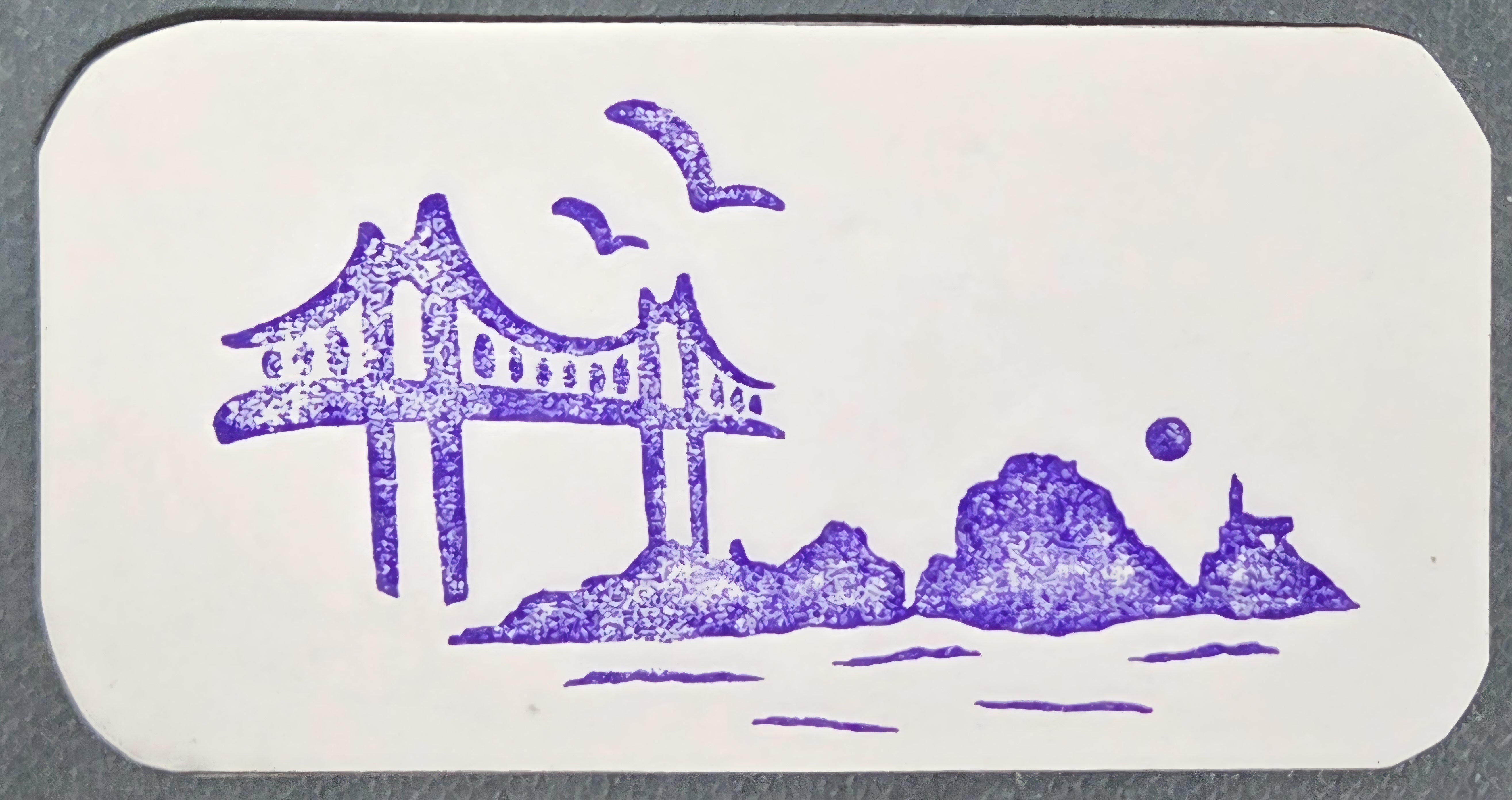

당시의 경부선은 요즘과 달리 부산이 시발점이었기에 부산에서 경성으로 향하는 기차를 하행선이라 하고 부산으로 내려오는 기차를 상행선이라고 불렀다. 기차와 연락선의 최종 목적지는 일본 동경이었기 때문에 동경 행을 동상(東上)이라고 하고 조선에 오는 길을 귀선(歸鮮)이라고 했다. 경부선 철도가 개통됨으로써 부산이 제2의 도시로 부상했으며, 우리 사회의 문화도 달라지기 시작했다.
전통적으로 `남녀는 7살이 되면 한 자리에 같이 앉지 않는다(男女七歲不同席).`는 유교의 가르침이 무너졌으며, 열차시각 때문에 시간에서 분(分)이라는 개념이 중요시 되었다. 그러나 같은 돈을 내고도 조선 사람은 일본인보다 낮은 등급의 대우를 받는 차별의 공간이기도 했다.
" 3등 칸에 탄 조선 승객은 존재하지도 않는 4등 칸 손님 대우를 받는다." 라고 쓴 일본승객의 여행기도 있다.
부산 시내의 첫 철도는 경부선보다 4년 앞선 1901년 10월 초량 구포 사이 16.6km 경(輕)철도 였으며, 그 후 일본인 주거지인 중앙동 부산해관까지 연장했다. 산업혁명 이후 현대문명의 상징이 된 기차의 초창기 속도는 마차의 3배 정도인 시속 40km에 불과했지만, 당시 `독립신문은`은 수레 속에 앉아 영창을 내다보니 산천초목이 모두 활동하여 달리는 것 같고 나는 새도 미처 따르지 못하더라." 고 탑승소감을 게재하고 있다.
부산역 건물은 일본 국회의사당과 동경역을 세운 일본의 대표 건축가 다쓰노 긴코(辰野金吾)가 설계했으며 서울역과 한국은행 본점도 그의 작품이다. 붉은 벽돌과 화강암으로 외벽을 감싼 네오 르네상스식인 부산역사는 서울역보다 15년 이나 앞선 1910년 10월에 완공되어 경부선 개통 이후 가장 먼저 만들어진 현대식이 역사(驛舍)다. 1층은 역무실, 매표소, 개찰구, 대합실 등 으로 쓰고 2층은 호텔과 고급식당 이었다. 철도국에서 운영한 부산 철도호텔은 우리나라 최초 국영호텔이다. 부산역에서 가장 돋보인 것은 첨탑 지붕에 동서남북 네 방향으로 드러난 기계탑이었다.
부산역과 부산세관, 부산 우편국은 부산의 3대 르네상스식 건물이었다. 중구 중앙동4가 부산무역회관 자리에 있었던 부산역과 대청동 부산우체국 뒤편에 자리했던 부산우편국은 1953년 11월 대화재로 함께 소실되어 버렸다.
1910년경 지어졌던 부산세관은 1980년 부산대교 건설에 따른 연안부두와의 연결을 위해 헐리고 말았다. 조선총독부 중앙청 건물이 헐리면서 건물 꼭대기의 첨탑만 천안 독립기념관으로 옮겼듯이 부산세관 첨탑도 새로운 집 부산세관 마당에 보관되어 있다.
At that time, unlike today, Busan was the starting point of the Gyeongbu Railway Line. Trains departing from Busan toward Gyeongseong (Seoul) were therefore called downbound lines, while trains coming down to Busan were referred to as upbound lines. Since the final destination of both the trains and the connecting ferries was Tokyo, journeys bound for Tokyo were called “eastbound ascent” (Dong-sang), while the return trip to Korea was known as “return to Joseon” (Gwi-seon). With the opening of the Gyeongbu Railway, Busan rose as the nation’s second-largest city, and Korean society began to undergo noticeable cultural change.
Traditional Confucian teachings such as “men and women should not sit together after the age of seven” (男女七歲不同席) began to collapse, and the concept of minutes became important as train schedules demanded precise timekeeping. Yet the railway was also a space of discrimination, where Koreans, despite paying the same fare, were treated as inferior to Japanese passengers. One Japanese traveler even wrote that “Korean passengers riding in third-class cars are treated as if they were fourth-class passengers that do not even exist.”
The first railway within Busan city predates the Gyeongbu Line by four years. In October 1901, a 16.6-kilometer light railway was opened between Choryang and Gupo, later extended to the Busan Customs House in Jungang-dong, a Japanese residential area. Although trains—symbols of modern civilization after the Industrial Revolution—initially traveled at a modest speed of only about 40 kilometers per hour, roughly three times faster than horse-drawn carriages, The Independent newspaper recorded an early riding impression:
> “Sitting inside the carriage and looking out through the window, the mountains, rivers, trees, and grasses all seem to come alive and run alongside us; even flying birds cannot keep up.”
The Busan Station building was designed by Tatsuno Kingo (辰野金吾), one of Japan’s most prominent architects, who also designed the National Diet Building in Japan, Tokyo Station, Seoul Station, and the Bank of Korea headquarters. Clad in red brick and granite, Busan Station was built in a Neo-Renaissance style and completed in October 1910, fifteen years earlier than Seoul Station. It was the first modern station building constructed after the opening of the Gyeongbu Line. The first floor housed railway offices, ticket counters, gates, and waiting rooms, while the second floor contained a hotel and fine dining facilities. Operated by the Railway Bureau, the Busan Railway Hotel was Korea’s first state-run hotel. The most striking feature of Busan Station was its clock tower, crowned with a spire and visible from all four cardinal directions.
Busan Station, Busan Customs House, and the Busan Post Office were known as the three great Renaissance-style buildings of Busan. The original Busan Station, once located at the site of today’s Busan Trade Center in Jungang-dong 4-ga, and the Busan Post Office, which stood behind the present Busan Central Post Office in Daecheong-dong, were both destroyed in the Great Fire of November 1953.
The Busan Customs House, built around 1910, was demolished in 1980 to make way for connections associated with the construction of Busan Bridge and the coastal pier. Just as the spire of the former Government-General Building was relocated to the Independence Hall of Korea in Cheonan after the building’s demolition, the spire of the Busan Customs House has also been preserved and now rests in the courtyard of the new Busan Customs House.

'부산 Busan' 카테고리의 다른 글
| 부산의 외국인 거리들(2) Busan`s foreign districts (0) | 2026.01.07 |
|---|---|
| 부산의 외국인 거리들(1) Busan`s foreign districts (1) | 2026.01.06 |
| 경부선 철도와 부산역(1) Gyeongbu Railway Line and Busan Station (1) | 2025.12.28 |
| 부산의 전차 Streetcars in Busan (1) | 2025.12.26 |
| 부산항 이야기(3) "The Story of Busan Port" (2) | 2025.12.11 |