
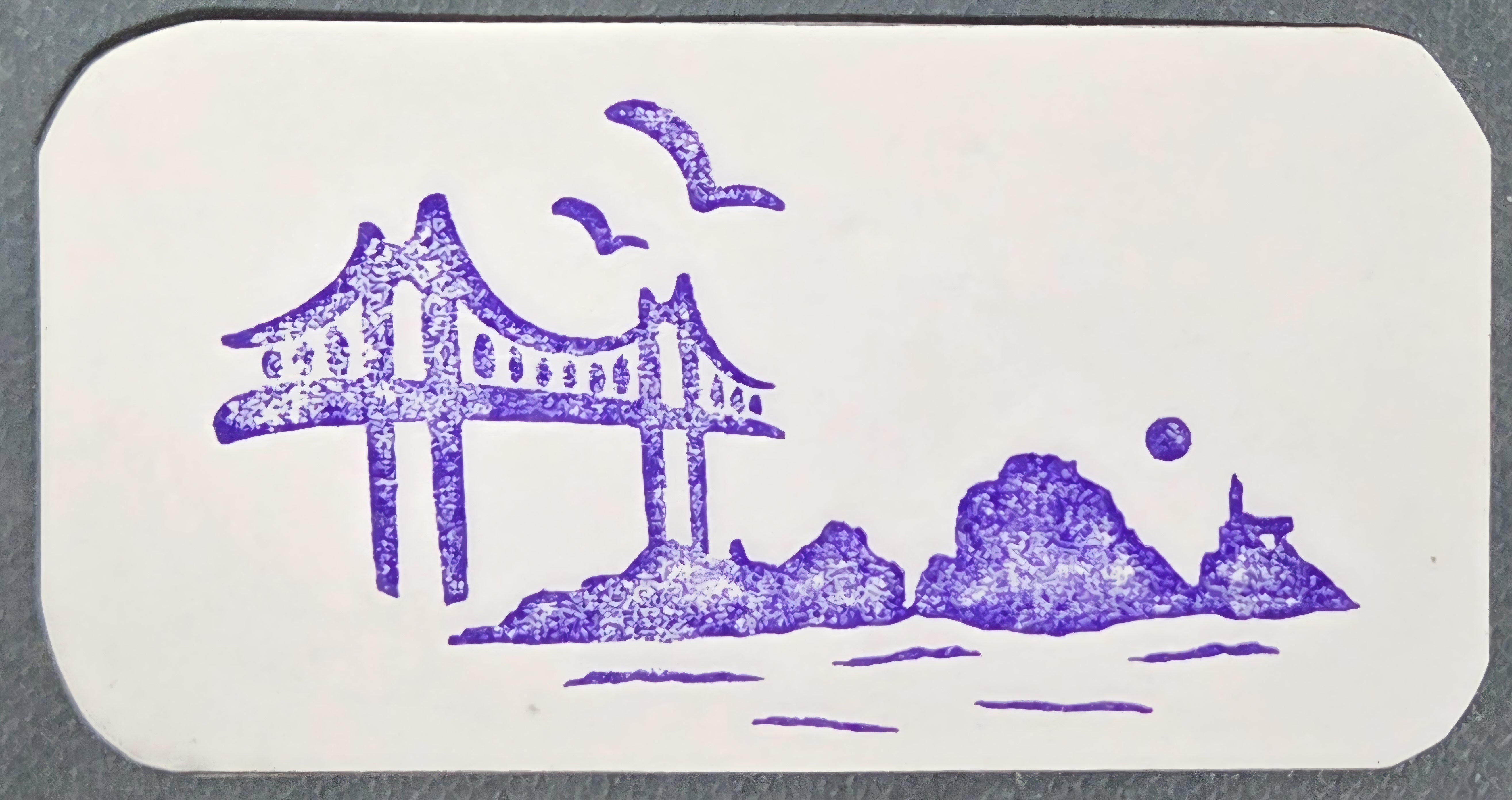

동래의 금정산 막걸리는 우리나라 민속주 1호이자 막걸리로는 유일하게 향토 민속주로 지정된 술이다. 500년 전부터 금정산 기슭의 화전민들이 발로 직접 밟아 띄운 누룩을 빚어 팔았는데 일제 강점기에는 일본과 만주까지 수출할 정도로 산성 누룩은 명품이었다. 서양의 수도사들이 와인을 개발했듯이 범어사 승려들도 누룩 빚는 비법을 개발하여 민가에 전수했으며, 일제 강점기에도 스님들이 부업으로 누룩을 제조했다. 금정산성마을에는 누룩을 팔러 다니던 할머니들이 새벽마다 오느내렸던 누룩고개가 있다.
요즘 일반 막걸리는 고두밥에 누룩 균의 가루를 뿌려서 속성으로 발효시키는 일본식 제조법인데 비해, 금정산성 막걸리는 고두밥과 누룩을 골고루 버무려서 발효시키는 전통방식을 지켜오고 있기에 누룩 특유의 향이 나면서 깊고 묵직한 맛이 있다. 금정산성 막걸리는 숙종29년(1703년)에 완성된 우리나라의 가장 긴 산성인 금정산성 축성 때 인부들에게 새참으로 제공하면서 유명해진 술이다.
국제신보 편집국장 출신이자 애주가였던 소설가 이병주는 "막걸리는 가난한 나라의 백성이 마시는 술이다. 왜냐하면 취감(醉感)과 만복감(滿腹感)을 주기 때문이다." 라면서 마실 것과 먹을 것을 동시에 주는 막걸리는 예찬했다. 훈민정음 해례본을 집필한 정인지는 "노인들에게 막걸리는 어린애들의 엄마 젖과 같아서 색깔도 비슷하다." 면서 막걸리는 즐겨 마셨다. 천상병 시인은 "막걸리는 배가 든든하고 기분이 좋아지는 밥이다." 라고 하면서 막걸리로 식사를 대신하곤 했다. 실제로 막걸리는 통풍치료, 지방간 제거, 혈관청소와 요산수치 저하, 암세포 억제등 만병통치식품이라는 주장이 있다.
2009년에는 막걸리가 한국의 10대 히트상품 1위에 오르기도 했다.
조선 후기 김천택이 엮은 시조집 <청구영언>에 `막걸리는 마구 거른 술` 이라고 밝히고 있다. 햇볕을 받아들이지 못하는 장마철이 되면 행복감을 유도하는 호르몬 세로토닌 분비가 줄어 우울증이 올 수 있는데, 이때 당분과 탄수화물, 알코올을 모두 갖춘 막걸리가 기분 전환에 제격이라고 한다.
4.19혁명 당시 부산에 신설된 군수기지사령부 초대 사령관이었던 박정희 장군은 산성 막걸리를 즐겨 마셨는데, 대통령이 된 후 부산을 순방하는 길에 산성 막걸리를 찾았으나 밀주(密酒)로 겨우 명맥을 유지하고 있다는 소식을 듣고 민속주로 양성화시킨 역사도 있다.
현재는 금정마을 주민들이 1980년 설립한 유한회사 `금정산성토산주` 에서 금정산성 막걸리를 생산,공급하고 있다. 금정산 중턱의 산성마을에 사는 강릉유씨 집안이 대대로 산성 막걸리 전통 맛의 비법을 이어오고 있다. 오래전부터 금정산성 막걸리에는 숯불 흑염소 불고기나 동래파전이 안성맞춤으로 짝을 이루고 있다.
우리나라 최초의 양조장인 후쿠다 양조장은 1887년 부산의 후쿠다마치(현재 대청동 카톨릭 센터 자리)에 설립되었다. 대마도 출신의 무역상인 후쿠다 소베는 자신의 선박인 긴피라마루(金比羅丸)로 청일전쟁 군수품을 수송했었다. 군수품을 수송할 만큼 메이지유신의 주역인 쵸슈 지방(나가사키, 카고시마) 실세들과 가까웠던 그는 부산에서도 위세가 대단했다. 언론매체인 부산시보 사장이기도 했던 후쿠다는 1916년 6월 자신의 별장식 여관 향양원(向陽園)에서 일본화가 야마모토 마이카이(山本海涯)의 작품 전시회를 열기도 했다.
후쿠다 양조장은 타이죠오(大廳), 코요(向陽), 후쿠이즈미(富久泉)등 유명 청주를 생산했는데, 코요는 향양원에서 묵은 바 있는 쵸슈 출신 초대 총감 이토 히로부미(伊藤博文)가 직접 작명해준 브랜드이다. 대청동이라는 지명도 이곳에서 생산된 술 이름과 무관하지 않다. 부산에는 거친 바다와 싸우는 뱃사람이 많아서인지 술 소비량도 다른 지역에 비해 월등한 편이다. 부산 사투리로 술고래를 `초빼이` 라고 한다. 술을 하도 많이 마셔서 몸이 식초를 담은 병과 같다는 뜻의 `초병(醋甁)`에서 나온 말이다.
Dongnae’s Geumjeongsan Makgeolli is Korea’s first officially designated folk liquor and the only makgeolli recognized as a local folk alcoholic beverage. For 500 years, slash-and-burn farmers living on the slopes of Geumjeongsan made and sold nuruk (fermentation starter) by stepping on it with their feet. During the Japanese colonial period, this acidic nuruk was so exceptional that it was even exported to Japan and Manchuria. Just as Western monks developed wine, the monks of Beomeosa Temple developed techniques for making nuruk and passed them down to local households. Even under colonial rule, monks continued producing nuruk as a side job. In the mountain fortress village of Geumjeongsanseong, there is a pass called “Nuruk Hill,” named after the grandmothers who used to come and go at dawn carrying nuruk to sell.
Today, most commercial makgeolli is made using a Japanese-style method, which involves sprinkling powdered nuruk mold onto steamed rice for quick fermentation. In contrast, Geumjeongsanseong Makgeolli preserves the traditional method of thoroughly mixing steamed rice with nuruk before fermenting, giving it a unique aroma and a deep, full-bodied flavor. It became widely known during the construction of the Geumjeongsanseong Fortress—Korea’s longest mountain fortress—completed in the 29th year of King Sukjong’s reign (1703), as it was served to laborers as their mid-day meal.
Lee Byung-ju, a novelist, heavy drinker, and former chief editor of the Kookje Shinbo, once wrote: “Makgeolli is the drink of the poor, because it gives both drunkenness and fullness.” He praised makgeolli as a drink that satisfies both thirst and hunger. Jeong In-ji, the scholar who helped compile the Hunminjeongeum Haerye, said: “For the elderly, makgeolli is like a mother’s milk for a child—they even share the same color,” and enjoyed drinking it. Poet Cheon Sang-byeong said, “Makgeolli is a meal that fills your stomach and lifts your mood,” often drinking it in place of food. There are even claims that makgeolli helps with gout, fatty liver, vascular cleansing, lowering uric acid levels, and inhibiting cancer cells—earning it the reputation of a “cure-all food.”
In 2009, makgeolli ranked No. 1 among Korea’s top 10 hit products.
In the late Joseon period, Kim Cheon-taek described makgeolli in his sijo anthology Cheongguyeongeon as “a crudely strained liquor.” During the monsoon season, when lack of sunlight reduces serotonin levels and can trigger depression, makgeolli—containing sugar, carbohydrates, and alcohol—is said to be perfect for lifting one’s mood.
During the April 19 Revolution, General Park Chung-hee, the first commander of the newly established Army Logistics Command in Busan, enjoyed drinking Sanseong Makgeolli. After he became president, he looked for it during a visit to Busan and learned that it had barely survived as illicit homebrew. He then had it legalized and designated as a folk liquor.
Today, Geumjeongsanseong Makgeolli is produced and supplied by Geumjeongsanseong Local Liquor Co., Ltd., established in 1980 by the residents of Geumjeong Village. The Kangneung Yu clan, who have long lived in the mountain fortress village halfway up Geumjeongsan, continues to preserve the traditional recipe. For generations, charcoal-grilled black goat bulgogi and Dongnae-style scallion pancake have been considered the perfect pairings for this makgeolli.
The first modern brewery in Korea, Fukuda Brewery, was established in 1887 in Fukudamachi, Busan (now the site of the Catholic Center in Daecheong-dong). Fukuda Sobe, a trader from Tsushima Island, transported military supplies during the First Sino-Japanese War on his ship, the Kimpira-maru. Because he was close to influential Meiji Restoration leaders from the Choshu region (Nagasaki, Kagoshima), his influence in Busan was significant. Fukuda, who also served as president of the Busan Sibo newspaper, even hosted an exhibition in June 1916 at his villa-style inn, Hyangyangwon, featuring works by Japanese painter Yamamoto Kaigai.
Fukuda Brewery produced well-known cheongju (refined rice wine) brands such as Daicho, Koyo, and Fukuizumi. The brand Koyo was named by Itō Hirobumi, the first Resident-General of Korea and a native of the Choshu region, who once stayed at Hyangyangwon. The place name Daecheong-dong is also believed to be connected to the liquor produced there.
Because many sailors in Busan battled the rough sea, alcohol consumption in the city has historically been much higher than in other regions. In the Busan dialect, a heavy drinker is called choppaei, a term derived from chopyeong (“vinegar jar”), referring to someone whose body is like a jar full of vinegar from drinking so much.

'부산 Busan' 카테고리의 다른 글
| 부산항 이야기(2)"The Story of Busan Port" (1) | 2025.12.08 |
|---|---|
| 부산항 이야기(1) "The Story of Busan Port" (1) | 2025.12.05 |
| 부산야구 (3) "Baseball in Busan" (1) | 2025.12.01 |
| 부산야구 (1) "Baseball in Busan" (0) | 2025.11.26 |
| 조총과 인삼 "Matchlock gun & Ginseng" (1) | 2025.11.21 |