
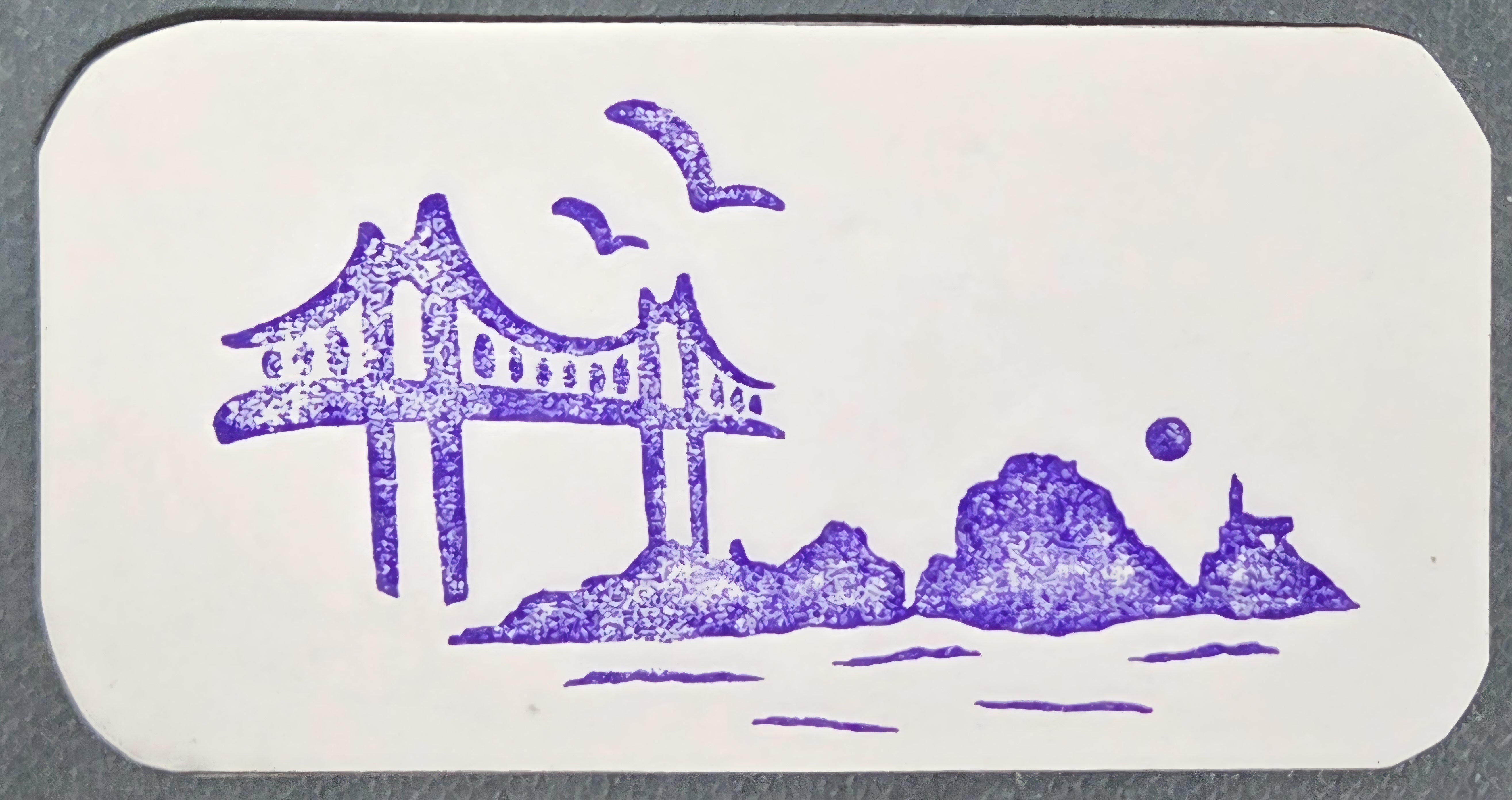

우리나라 최초의 야구단은 1905년에 설립된 황성기독교청년회(YMCA)의 야구단이다. 선교사 필립 질레트에 의해 창단되었다. 이어 한성(경기고), 경신, 휘문 등에 야구부가 생기기는 했지만, 서울 팀들은 별로 두각을 드러내지 못하고 고만고만한 수준에 머물고 있었다. 1920년 조선체육회 출범과 함께 유일하게 치러진 전국스포츠대회 종목은 야구였으며 우승팀은 부산공립상업학교(경남상고)였다.
일찌감치 야구를 도입한 일본은 경부선 주요 역마다 직원 야구팀을 창단했으며 일부 조선인들이 선수로 기용되었다. 산업혁명으로 증기기관이 발명되자 철도가 유럽 각국의 위상을 나타내는 자랑거리로 등장하면서 철도 역사(驛舍)는 바티카의 성(聖)베드로 성당처럼 웅장하고 멋있게 지어서 도시의 랜드마크가 되었다. 일본도 유럽의 이런 풍조를 가져와 철도 역사를 공들여 건설하고 각 역마다 널따란 야적장을 확보하여 야구장으로 활용했다.
일본의 한 도시처럼 변하고 있던 부산에 일찌감치 야구 붐이 일어나게 된것은 자연스러운 일 이었다. YMCA 야구단 이전에 이미 부산에는 일본 야구팀이 있었고 일부 한국인들은 야구를 즐겼다.
1921년 5월 한국 최초로 근대체육시설을 갖춘 대정공원(서구청 자리)에서 부산 야구팀인 초량구락부가 일본인 야구팀 부산세관을 8대 6으로 제압했다 한다. 일본 다이쇼 천황의 즉위를 기념하기 위해 세운 대정공원(大正公園)은 야구 외에 스모, 정구, 자전거 경기뿐만 아니라 각종 행사장으로 활용되었다.
1921년 단일 종목으로는 세계최대 규모의 아마추어 대회인 일본 고시엔(甲子園)에 출전한 조선의 첫 대표 팀도 부산공립상업학교(경남상고)였다. 고시엔 야구장이 신설된 이듬해인 1925년 부선공립중학교는 고작 10명의 선수가 출전했는데도 용산중학교를 4대 1 , 원산중학을 23대 3 , 경성중학교를 4대 2로 꺽고 조선대표 팀으로 일본에 건너가서 대만의 대북공업을 제압했으나 2차전서 우승후보였던 야마구치의 야나이중학에 4대 3으로 패하고 말았다.
영어로 `베이스볼` 인 야구(野球)는 일본 야구선수 출신이자 시인 이기도 했던 마사오카노보루(正岡升)가 자신의 이름과 발음이 같은 노(野) + 보루( ball--> 球 )에서 야구로 번역했다 한다. 그가 남긴 하이쿠는 이렇다. `봄바람, 공을 던지고 싶은 풀밭`
젊은 시절 그가 야구를 했던 도쿄 우에노공원에는 마사오카 기념 야구장이 있다.
일본 교육자이자 야구심판인 주만 가나에 는 모든 야구용어를 정리하면서 아웃(out)을 처음에는 `실패` 로 번역했다가 청일전쟁을 기점으로 젊은이들의 패기를 돋우기 위해 전쟁용어인 사(死)로 바꾸었다. 그래서 타자와 주자가 동시에 아웃당하는 것을 이때부터 병살타(倂殺打)라고 했다. 또한 숏스탑(short stop)은 전열에서 벗어나 대기하다가 이곳저곳을 기습 공격하는 유격군(遊擊軍)과 같으므로 유격수라고 작명했다.
모든 스포츠 게임에서 희생 번트, 희생 플라이처럼 자기희생이 통용되는 게임은 야구밖에 없기 때문에 일제는 야구를 군사훈련의 하나로 활용했다. 실제로 자신의 목숨을 희생하는 자살특공대인 `가미카제` 의 30% 이상이 야구를 해본 경험자였다. 야구와 전쟁은 작전에 필요한 암호와 사인을 이용하는 공통점이 있으며, 이것이 상대방에게 노출되면 치명적인 타격을 받게 된다.
구기(球技)종목 중에서 야구는 공이 아니라 사람이 득점하기에 인간성이 특별히 강조되는 경기다. 야구는 신사적인 스포츠이기에 홈런을 친 타자가 배트를 던지는 배트 플립(bat flip)을 금지하고 있다. 상대편 투수를 자극하는 무례한 행동으로 받아들여지기 때문이다.
또한 야구경기 도중 상대선수와 시비가 붙었을 때 양쪽 벤치의 모든 선수들이 집단의 힘을 과시하기 위해 무조건 뛰어나가는, 이른바 벤치 클리어링(bench clearing)을 미덕으로 강조했다.
The first baseball team in Korea was the baseball club of the Hwangseong YMCA, founded in 1905 by the missionary Philip Gillett. Although baseball teams were later formed at schools such as Hanseong (now Kyunggi High School), Kyungshin, and Whimoon, teams in Seoul did not show much prominence and remained at a modest level. When the Joseon Sports Council was launched in 1920, the only event held at the first National Sports Festival was baseball, and the champion was Busan Public Commercial School (later Gyeongnam Commercial High School).
Japan, which had introduced baseball much earlier, established employee baseball teams at major stations along the Gyeongbu Railway Line, and some Koreans were recruited as players. After the invention of the steam engine during the Industrial Revolution, railways became a source of national pride in European countries, symbolizing their status. Railway stations were built grandly—like St. Peter’s Basilica in the Vatican—and became city landmarks. Japan adopted this European trend, constructing impressive stations and securing wide open yards at each station, which were used as baseball fields.
In Busan, which was rapidly transforming into a city resembling those in Japan, it was only natural that a baseball boom arose early on. Even before the YMCA baseball club, there were already Japanese baseball teams in Busan, and some Koreans enjoyed the sport as well.
In May 1921, at Taejeong Park—Korea’s first modern sports facility, located where the Seo-gu District Office now stands—the Busan team Choryang Club defeated the Japanese team Busan Customs 8–6. Taejeong Park (大正公園), built to commemorate the enthronement of Emperor Taishō, was used not only for baseball but also for sumo, soft tennis, cycling competitions, and various other events.
In 1921, Busan Public Commercial School (Gyeongnam Commercial High School) became the first Korean team to compete in Japan’s Koshien Tournament, the world’s largest amateur competition held for a single sport. In 1925, the year after Koshien Stadium opened, Busan Public Middle School participated with only ten players, yet they defeated Yongsan Middle School 4–1, Wonsan Middle School 23–3, and Kyungsung Middle School 4–2, earning the right to represent Korea in Japan. There, they beat Taipei Industrial School of Taiwan but lost 4–3 in the second round to Yanai Middle School of Yamaguchi, a strong title contender.
The Japanese word for “baseball,” yakyū (野球), was coined by Masaoka Noboru (正岡升), a former baseball player and poet. He matched the characters to his own name and their pronunciation—ya (野, field) + kyū/ball (球)—to create the term. One of his haiku reads: “Spring breeze, a meadow that makes me want to throw a ball.”
In Tokyo’s Ueno Park, where he played baseball in his youth, there is now a memorial baseball field named after him.
Juman Kanae, a Japanese educator and baseball umpire, organized all baseball terminology. He initially translated “out” as “failure,” but after the First Sino-Japanese War, he changed it to the military term shi (死, death) to inspire the fighting spirit of young men. Thus, when both the batter and runner are put out on the same play, the term “double play” was translated as byeongsalda (倂殺打, literally “combined kill”).
He also named the shortstop position yugyeoksu (遊擊手) because the player resembles a guerrilla fighter who moves off the main line and launches surprise attacks.
Among all ball sports, baseball is the only one in which self-sacrifice—such as the sacrifice bunt or sacrifice fly—is institutionalized. Because of this, the Japanese incorporated baseball into military training. In fact, more than 30% of the kamikaze suicide squad members had played baseball. Baseball and warfare share the use of strategic signals and coded signs, which, if revealed to the enemy, can have devastating consequences.
In ball sports, baseball is unique in that it is not the ball but the player who scores, so human character is especially emphasized. Because baseball is considered a gentleman’s sport, the bat flip—throwing one’s bat after hitting a home run—is prohibited, as it is viewed as a rude gesture that provokes the pitcher.
Another custom is bench clearing: when an argument breaks out during a game, all players from both benches rush onto the field to demonstrate collective strength. This was traditionally considered a virtue in Japanese baseball culture.
'부산 Busan' 카테고리의 다른 글
| 금정산 막걸리, 우리나라 최초의 양조장 "Geumjeongsan Makgeolli, Koreas's First Brewery" (1) | 2025.12.03 |
|---|---|
| 부산야구 (3) "Baseball in Busan" (1) | 2025.12.01 |
| 조총과 인삼 "Matchlock gun & Ginseng" (1) | 2025.11.21 |
| 조선이 걸었던 길 "The path Josen walk" (0) | 2025.11.19 |
| 초량왜관의 흔적들"Choryang Waegwan and Gwangbok-dong" (0) | 2025.11.17 |