
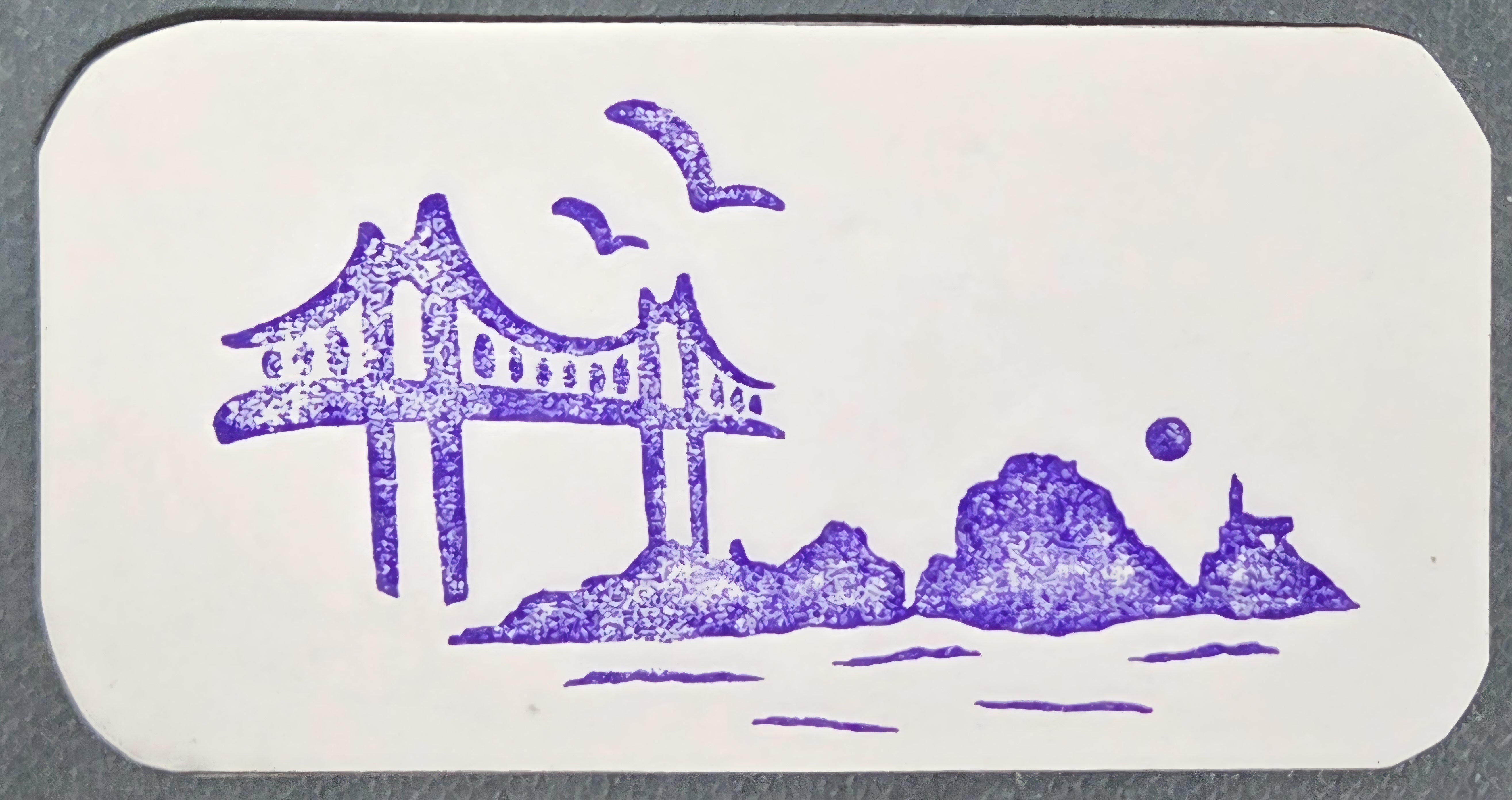

감천문화마을은 부산에서 외국 관광객들이 가장 많이 찾는 곳이다. 개항 이후 일본인들은 용두산 북녘 자락인 복병산에 공동묘지를 설치 했으나 1905년 북항 개발을 위해 복병산 토석을 채굴해 나가자 묘지를 아미동으로 이전했다.
1909년에는 영도와 부산진, 대신동에 있던 화장장마저 아미동 산 19번지로 이장함으로써 천마산과 아미산 사이의 감천마을은 일본인들의 공동묘지가 되었다. 일본인들은 죽어서나마 바다 건너 먼 고향을 바라보고 싶어서 바다가 내려다 보이는 이곳 언덕배개를 택했는지도 모른다.
1960년대까지만 해도 일본인 유족들이 조상 묘소 참배 차 아미동을 찾아오곤 했다. 2020년 11월 비석마을의 도시재생사업 기초공사장에 일본인 유골함이 무더기로 발견되었다. 시(市)당국은 조촐한 일본식 음식을 차려놓고 원혼을 달래는 위령제를 지내주었다.
광복과 한국전쟁으로 몸을 뉠 자리가 없던 피난민들은 공동묘지 위에 천막을 치기 시작했다. 묘지의 비석이나 상석은 주춧돌과 계단, 담장 등 건축자재로 사용되었다. 이른바 산 자와 죽은 자가 등을 맞대고 함께 살아가는 아미동 비석마을이 형성된 것이다.
당시 비석마을 피난민들에게 가장 어려운 일은 물을 길러먹는 것이었다. 상수도시설이 부족해서 마침내 사흘에 한 번씩, 하루 3시간 정도만 제한급수를 실시하자 물장수가 성황을 이루는가 하면 수도관을 뚫고 물을 빼내가는 물 도둑이 성행하기도 했다.
아미동 산동네에서 자갈치시장까지 내려가서 물 한 지게를 지고 비석마을에 오르면 출렁거리면서 절반은 쏟아져 버리는데, 그마저 흠뻑 젖은 옷차림으로 하루 2번 왕복이 고작이었다.
1957년 화장장이 당감동으로 이전할 때까지 50년 동안 감천동 아미동 일대는 저승길이었다. 장례행사 중 아미동 언덕에서 위령제를 지낼때는 까치들이 제사음식을 노리고 모여들었기 때문에 천마산과 아미산 사이의 고개를 요즘도 까치고개라고 한다.
1955년 보수동에 본부가 있던 태극도 교도 800여 세대가 감천동으로 집단 이주하면서 한때 이곳은 태극도 신앙촌이 되기도 했다. 태극도 창시자인 조철제는 함안 칠성 출신으로 증산교 창시자인 강일순의 누이와 뜻을 같이하고 나서 전국적으로 교세를 확장했으며, 감천도 도인촌도 전성기에는 3천 가구에 1만여 명의 교인이 거주했다.
그러나 1958년 교조가 사망함에 따라 교단이 분리되고 교세도 급속도로 약화되었다. 여기서 분가한 한 파벌의 박한경이 대순진리회 종단을 설립했다. 이곳에는 아직도 태극도 수련장이 보이고 교주의 무덤인 `할배 산소`도 그대로 있다.
버려지다시피 한 감천마을이 소생한 것은 2009년 문광부가 공모한 마을미술프로젝트에 예술문화단체인 아트팩토리인 다대포가 감천마을을 대상으로 응모한 ` 꿈꾸는 부산의 마추피추` 가 당선되면서부터이다.
2010년 부산시 여기에다 `미로미로(美路迷路)골목길` 프로젝트를 추가함으로써 저소득층의 낙후된 주거지가 문화마을로 거듭난 것이다.
부산시 피란시절 `죽은 자의 묘지` `산 자의 주택`이 동거했던 아미동 비석마을 주거지를 2022년 1월 부산시 첫 번째 등록문화재로 선정하고 유네스코 세계유산 등재를 추진하기로 했다.
Gamcheon Culture Village is one of the most visited places in Busan by foreign tourists.
After the port of Busan was opened, the Japanese established a communal cemetery on Bokbyeongsan Mountain, located on the northern slope of Yongdusan. However, in 1905, due to the development of the North Port, they began quarrying stone from Bokbyeongsan and consequently relocated the cemetery to Amidong. In 1909, crematoriums that had been located in Yeongdo, Busanjin, and Daesin-dong were also moved to Lot No. 19 of Amidong Mountain. As a result, the area between Cheonmasan and Amisan—now known as Gamcheon Village—became a Japanese cemetery.
The Japanese might have chosen this hill overlooking the sea so that, even in death, they could gaze toward their distant homeland across the waters. Until the 1960s, Japanese descendants continued to visit Amidong to pay respects to their ancestors. In November 2020, during foundational work for an urban regeneration project in the so-called “Gravestone Village,” a large number of Japanese urns were unearthed. The city authorities held a small memorial service, offering simple Japanese-style food to console the spirits of the deceased.
After Korea’s liberation and the Korean War, refugees with nowhere else to go began pitching tents over the old cemetery grounds. Gravestones and stone altars were reused as building materials for foundations, steps, and walls. Thus, the Amidong Gravestone Village was formed—a place where the living and the dead coexisted, back to back.
One of the biggest hardships for the refugees living in the Gravestone Village was obtaining water. Due to the lack of a proper water supply system, water was rationed only once every three days for about three hours. As a result, water vendors flourished, and some even resorted to illegally tapping into water pipes. Residents had to carry water from Jagalchi Market up to the steep slopes of Amidong, and by the time they arrived back at the village, half the water would have spilled. Even so, making the trip twice a day was the most they could manage.
For fifty years, until the crematorium was moved to Dangam-dong in 1957, the area of Gamcheon-dong and Amidong was regarded as a “path to the afterlife.” During funeral rites held on the hills of Amidong, magpies would gather to snatch food offerings, and for this reason, the pass between Cheonmasan and Amisan is still called Magpie Hill (Kkachi Gogae).
In 1955, about 800 households of Taegukdo believers, whose headquarters had been in Bosu-dong, collectively migrated to Gamcheon-dong, turning the area for a time into a Taegukdo religious village. Jo Cheol-je, the founder of Taegukdo, was a native of Chilseong, Haman, and after sharing the teachings of Kang Il-sun, the founder of Jeungsanism, he expanded his religious following nationwide. At its peak, the Taegukdo community in Gamcheon consisted of about 3,000 households and more than 10,000 followers.
However, after the founder’s death in 1958, the order split and its influence rapidly declined. One of its splinter groups, led by Park Han-gyeong, later established the Daesoon Jinrihoe sect. Even today, traces of the Taegukdo community remain in the area, including a Taegukdo training hall and the founder’s tomb, known locally as Halbae San-so (“Grandfather’s Grave”).
The once-abandoned Gamcheon Village began to revive in 2009 when Art Factory in Dadaepo, an arts and culture organization, won a public contest by the Ministry of Culture, Sports and Tourism with their project titled “The Dreaming Machu Picchu of Busan.” In 2010, the City of Busan added the “Miro Miro (Beautiful Maze) Alleyway Project,” transforming the underdeveloped low-income hillside settlement into a vibrant cultural village.
In January 2022, the City of Busan designated the Amidong Gravestone Village—where “the homes of the living” once stood atop “the graves of the dead” during the refugee era—as the city’s first Registered Cultural Heritage, and announced plans to seek its inscription as a UNESCO World Heritage Site.

'부산 Busan' 카테고리의 다른 글
| 영도다리 피난민들 Refugees at Yeongdo Bridge (1) | 2025.11.13 |
|---|---|
| 부산 시민공원 Busan Citizens Park (0) | 2025.11.10 |
| 일제강점기 신사참배 용두산 Shinto Shrine Worship the Japanese Colonial Period at Yongdusan (2) (0) | 2025.11.04 |
| 자갈치시장 Jagalchi Market (1) | 2025.11.01 |
| 부산항 로맨스, 해관원 사냥개 실종사건 Romance at Busan Port & The Customs Officer's Missing Hunting Dogs (0) | 2025.10.17 |