
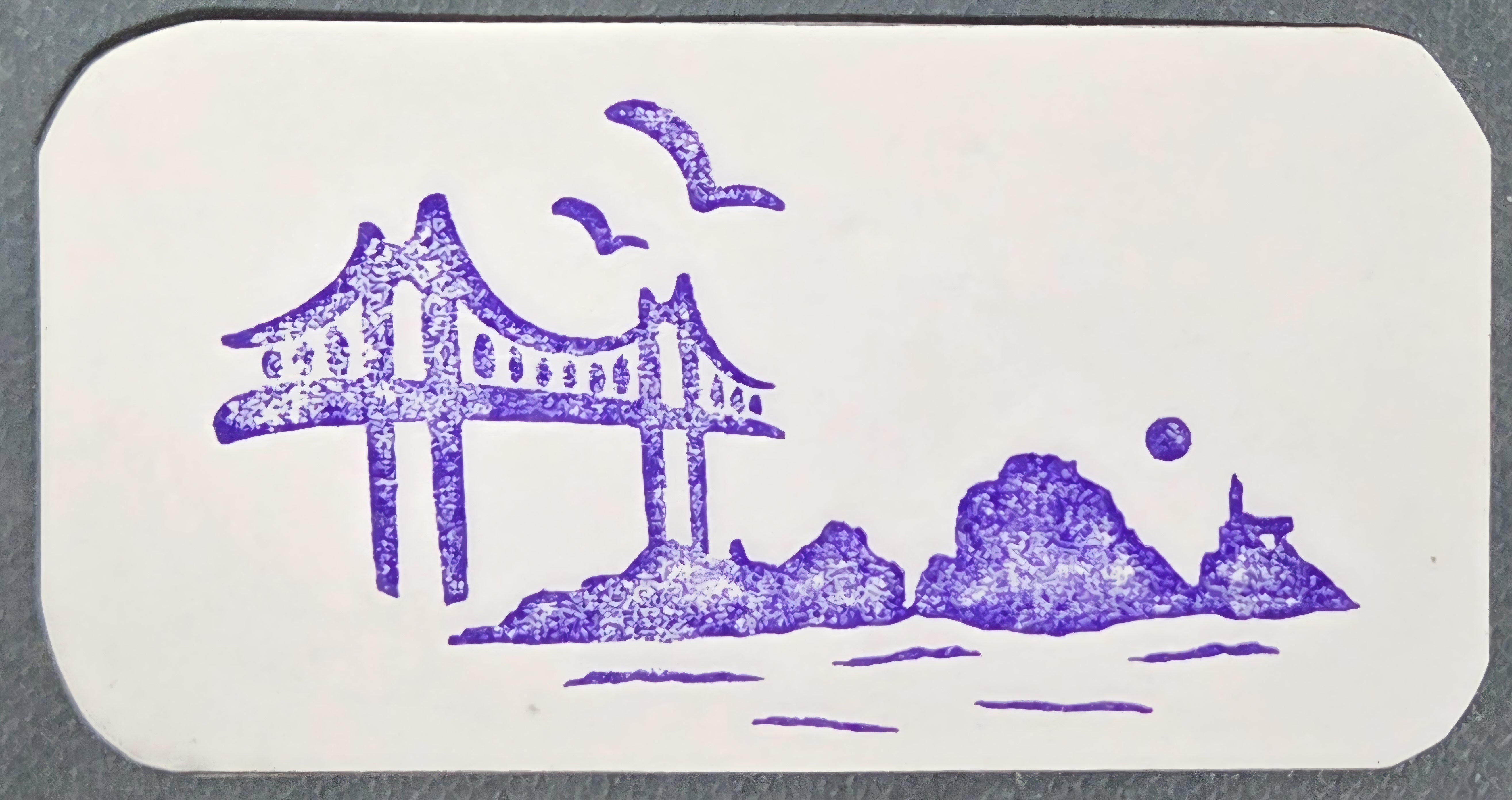

자갈치시장은 충무동 부산공동어시장부터 영도대교 바로 옆 건어물시장까지 우리나라의 가장 큰 수산물시장이다. 1985년 대화재로 자갈치시장의 점포 231개가 모두 잿더미로 변하고 그 자리에 지하2층, 지상7층의 현대식 건물이 새로 들어섰다.
외국인 관광객들이 몰려오지만 자갈치의 진면목은 골목 양편의 천막이나 좌판에 앉아 손님을 부르는 아지매들의 사투리에 있다.
자갈치 시장의 생선은 ` 살아 있으면 1만 원 이고, 죽으면 5천 원, 소금을 뿌렸으면 3천 원, 밤늦게 가면 거저 ` 라는 말이 있다.
자갈치 시장의 원래이름은 자갈처였다. 비가 오면 대신동의 구덕산 돌멩이들이 보수천을 거쳐 해안가로 쏟아져 내려오는 지역이라해서 그리 불렸다. 일제 때는 일본인들만의 전용 물놀이 장소인 남빈(南濱)해수욕장 자리다. 남포동에서 부평동, 완월동에 이르는 해안에는 몽돌과 모래밭이 많아 일제가 매축하면서 해수욕장을 조성했던 것이다.
6.25 전란으로 동쪽의 국제시장은 도떼기시장으로, 서쪽의 부평시장은 깡통시장으로 바뀌면서 전통시장에서 밀려난 사람들이 자갈처에 와서 함지박이나 판때기를 펼쳐놓고 장사를 시작했다. 자갈마당에서 널빤지 좌대 위에 생선을 올려놓고 팔았기에 ` 판때기 아지매 ` 로 통했다. 근처 충무동에 생어상조합(生漁商組合)이 결성되면서 자연스럽게 어시장이 형성되었고, 생선 이름에 많이 등장하는 `치`를 붙여서 자갈치로 이름이 바뀐 것이다.
광복 직후에는 자갈치 마당에서 생선이 아니라 장작, 솔가지, 솔방울 등 땔감이 주종을 이루었다. 자갈밭에 땔감을 담장처럼 수북이 쌓아두고 그 속에서는 은밀히 밀수품을 거래하는 경우가 많았다.
오늘날 한려수도에 해당하는 부산, 통영, 삼천포, 여수는 한때 밀수의 황금바다였다. 이 무렵부터 " 영도 부자는 밀수 부자 " 라는 말이 나오기도 했다.
우리나라 외화 획득의 일등공신이 원양어업이었을 때는 오랜 항해에 시달린 뱃사람들이 조그만 통선을 타고 도착하는 부두가 바로 자갈치지장 이었다. 부산항은 입출항 기지여서 파시(波市)처럼 술집과 여인숙도 즐비하고 흥청거렸다. 원양어선이 감천동 원양부두로 옮긴 후에도 한동안 마도로스들은 이곳 자갈치에 와서 애환을 달랬다.
`자갈치 아지매` 는 억척스러우면서도 정겨움이 넘치는 시장 아주머니의 대명사가 되었다. 1960년대 초 단속 나온 경찰관의 목을 껴안고 바다에 뛰어든 일이 있고난 다음부터 자갈치 아지매들의 명성이 더욱 높아졌다.
" 부산의 새벽은 자갈치 아지매가 깨운다." 는 말이 있다. 통금이 해제되는 새벽 4시 택시 첫 손님은 항상 자갈치 아지매들이었다. 자갈치시장 근처에 공동어시장 경매가 6시부터 시작되지만 자갈치 아지매 들은 전날 어황 사정을 파악하고 5시에 가게 문을 열기에 새벽 인생으로 살아간다.
부산 출신의 가수 나훈아의 노래 <자갈치 아지매> 에는 " 입술을 깨물면서 뱃고동은 반평생 / 해와 달이 바뀌어 이마의 주름살을 쳐다보며 쏟아지는 눈물도 / 한 맺힌 인생살이 갈매기 손길 따라 / 이제는 억척스런 자갈치 아지매 / 어서 어서 오이소 웃음으로 반기는 / 부산의 자갈치 아지매 " 라는 가사로 되어 있다.
우리나라 최대 어업전진기지인 남부민동 남항에 있는 부산공동어시장은 국내 수산물의 30% 이상을 위탁 판매하는 최대 어시장이다. 이곳 경매장은 쉴 새 없이 흥정을 붙이는 경매사, 더 좋은 물건을 싸게 하려는 중도매인, 실제 장사를 하는 가게주인 소매상, 경매된 생선을 손수레에 옮겨 싣는 인부, 배에서 내린 생선을 정리하고 분류하는 부녀반, 여기에 구경꾼들까지 곁들여 억센 사투리와 고성이 오가는 치열한 삶의 현장이다.
혹시 삶이 지루하거나 무기력하게 느껴질 때 새벽 경매어시장으로 나가면 분명 활기를 되찾을 수 있을 것이다.
자갈치 아지매가 자갈치 할매로 바뀔 때쯤 되면 모든 어패류와 생선을 훤히 꿰뚫고 있는 수산학 박사가 된다. 바닷바람에 피부는 거칠어지고 짠물에 손가락 지문이 모두 사라져버린 억척스런 삶을 헤쳐온 자갈치 아지매들은 모두 한 가정의 든든한 버팀목이었다.
부산에서 그런 대로 행세를 하는 집안은 늦가을 김장철이 되면 자갈치시장에서 대루를 여러 두름 사다가 알은 소금에 절이고, 내장은 국을 끓이며, 나머지 살 생선은 처마 밑에 걸어 말렸다. 밤이 되년 대구 눈에서 뿜어내는 푸른 불빛을 바라보면서 해풍에 꾸들꾸들해진 살점을 안주로 술을 마시고 새벽녘에 자갈치로 가서 복국이나 재첩국으로 해장을 하곤 했다.
Jagalchi Market
Jagalchi Market stretches from the Busan Cooperative Fish Market in Chungmu-dong to the dried fish market beside Yeongdo Bridge. It is the largest seafood market in Korea. In 1985, a massive fire reduced all 231 stalls to ashes, but on the same site, a modern building with two basement floors and seven above-ground stories was newly constructed.
Although foreign tourists now crowd the market, the true charm of Jagalchi lies in the local dialect of the ajummas sitting along the alleyways under tents or behind makeshift stalls, calling out to customers with their rough but warm Busan accents.
There’s a saying that captures the spirit of Jagalchi:
> “If the fish is alive, it’s 10,000 won;
if it’s dead, 5,000 won;
if it’s salted, 3,000 won;
and if you come late at night, it’s free.”
The original name of the area was Jagalcheo, meaning “pebble place,” because during heavy rain, stones from Mt. Gudeok in Daeshin-dong would roll down the Bosu Stream and scatter along the shore. During the Japanese colonial period, this area was the site of Nambin Beach, a seaside bathing area reserved exclusively for Japanese residents. From Nampo-dong to Bupyeong-dong and Wanwol-dong, the coast was once covered with pebbles and sand, which the Japanese reclaimed to create the beach.
After the Korean War, the eastern part of the city developed into the Gukje Market, known as the “flea market,” while the western part, Bupyeong Market, became famous as the “Tin Can Market.” People pushed out of these traditional marketplaces came to Jagalcheo, spreading out wooden boards or trays to sell their goods. Because they displayed fish on wooden platforms (panttaegi), the women became known as the “Panttaegi Ajummas.”
As the Fresh Fish Merchants’ Cooperative was later established in nearby Chungmu-dong, a full-fledged fish market naturally took shape. The name Jagalchi was then coined by adding the suffix -chi—commonly used in fish names—to jagal (“pebble”).
Right after Korea’s liberation, the main items sold at Jagalchi were not fish but firewood—logs, pine branches, and pinecones. These were piled high like walls along the pebble beach, often concealing the smuggling of imported goods. At that time, the seas around Busan, Tongyeong, Samcheonpo, and Yeosu—today part of the Hallyeo Marine National Park—were known as the “golden sea of smugglers.” The saying “The rich of Yeongdo are the smuggler rich” also originated from this period.
When deep-sea fishing was Korea’s main source of foreign currency, sailors returning from long voyages would dock their small boats at Jagalchi Wharf. Since Busan Port served as both the departure and arrival base for fishing fleets, the area bustled like a pasi (temporary fish market) with inns, taverns, and brothels catering to seamen. Even after the deep-sea fishing base moved to the Gamcheon Wharf, sailors continued to come to Jagalchi to drown their sorrows and share stories of life at sea.
The “Jagalchi Ajumma” eventually became the symbol of a tough but warmhearted market woman. In the early 1960s, one of them famously jumped into the sea while clinging to a police officer who had come to enforce a crackdown, an event that made the Jagalchi women legendary.
There’s a saying:
> “Busan’s dawn is awakened by the Jagalchi Ajummas.”
When the curfew lifted at 4 a.m., the first taxi passengers were always the Jagalchi market women. Although auctions at the nearby Cooperative Fish Market began at 6 a.m., the Jagalchi Ajummas—already aware of the previous day’s fishing conditions—would open their stalls by 5 a.m., living the life of early risers.
The famous Busan-born singer Na Hoon-a captured their lives in his song “Jagalchi Ajumma”, with lyrics that go:
> “Biting her lip as the ship’s horn blows through half her life,
Watching the sun and moon change as tears fall upon her wrinkled brow,
A life filled with sorrow follows the seagull’s flight—
Now the tough, enduring Jagalchi Ajumma,
Come, come, she greets you with a smile—
Busan’s own Jagalchi Ajumma.”
At Busan Cooperative Fish Market, located at Namhang Port in Nambumin-dong—the nation’s largest seafood hub—over 30% of Korea’s marine products are sold on consignment. The auction floor is a whirlwind of activity: auctioneers calling out bids, middle wholesalers vying for the best deals, shop owners choosing their fish, porters hauling boxes on carts, women sorting and cleaning fish, and curious onlookers watching it all unfold—a vivid scene of life in motion, filled with shouts and thick Busan dialects.
If life ever feels dull or stagnant, visit the early-morning auction at Jagalchi—you’ll surely feel alive again.
By the time a Jagalchi Ajumma becomes a Jagalchi Halmae (grandmother), she’s practically a marine biologist, knowing every kind of fish and shellfish by sight. Though their skin grows rough from the sea wind and the salt water erases their fingerprints, these hardworking women have long been the sturdy backbone of their families.
In Busan, well-to-do households would come to Jagalchi in late autumn to buy cod for kimchi-making season. They would salt the roe, make soup with the intestines, and hang the fish under the eaves to dry. At night, people would sip drinks while gazing at the faint blue glow from the cod’s eyes, nibbling on the dried flesh firmed by the sea breeze. And by dawn, they’d head back to Jagalchi for a steaming bowl of pufferfish or corbicula soup to cure their hangovers.

Two winters ago at Jagalchi Sindonga Building