
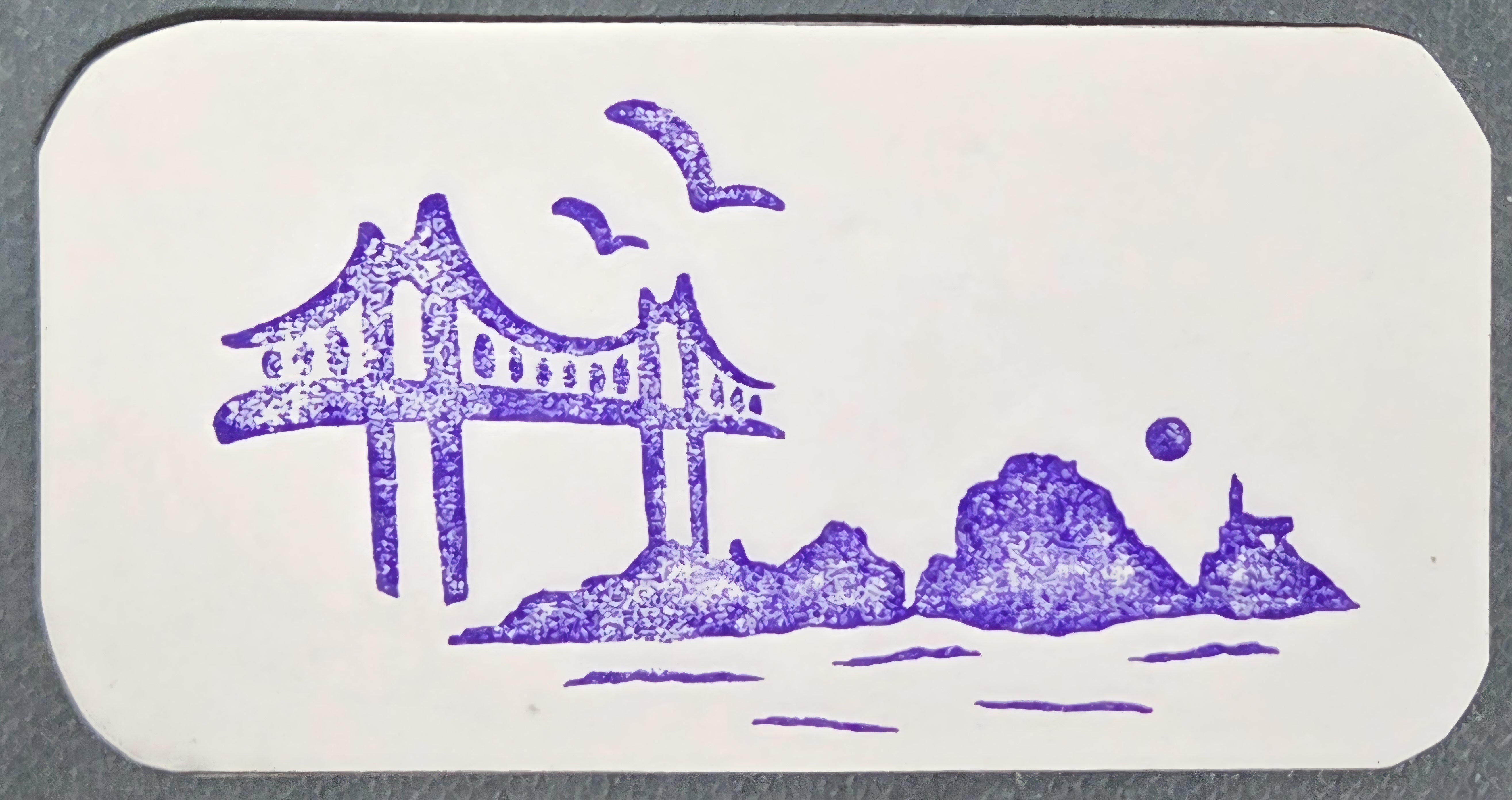

왜관은 남자들의 마을 이었다 400~500명의 남자들이 2m의 담장 안에 살았다. 부산에는 약 200년간 대마도에서 건너온 남자들의 마을 초량왜관이 있었다. 고위직 공우원은 2년간, 하위직 공무원은 근무 연한이 없었다.
일본에 있던 데지마 에는 일본 게이샤의 출입이 가능 했다. 초량왜관은 달랐다. 갑갑한 왜관생활을 벗어나고 싶어도 왜관을 둘러싼 높은 돌담과 곳곳에 설치된 감시초소 때문에 담을 넘을 수가 없었다.
그래서 매일 왜관밖에서 열리는 아침시장에 관심이 많았다. 그곳에서 거래하는 싱싱한 생선과 야채보다 물건을 팔려고 온 조선여인을 대하는 것에 더 신경을 썼다.
<숙종실록>에 실린 경상좌수사 이상집의 장계는 이렇다.
" 아침시장에 남녀 상인이 함께 가면 남자들이 가진것이 아무리 좋은 것 이라도 팔리지 않고, 여인들이 가진 것이 비록 나쁜것 이라도 반드시 팔리기 때문에 아침시장에 나가는 사람른 모두 여인 이었다."
동래부사 권이진이 초량인근의 어민과 시골사람들을 불러서 타이르기를 "이는 생선과 야채를 팔러 가는 것이 아니라, 바로 그대들의 아내와 딸을 파는 것이다. 그대들은 차마 사람인데 어찌 이런짓을 하느냐..?"
문제는 교간사건 이었다. 아침시장을 통해서 일본인과 지역민이 교류를 트자 매매춘 알선책이 날뛰면서 풍기가 문란해 졌다. 18세기 프랑스 계몽주의 시대에도 있었다. 1690년 이명원 이라는 자는 돈을 받고 자신의 처와 딸을 남장시켜 초량왜관에 들여 보내 매매춘을 시키다가 발각되었다. 교간사건으로 이명원을 포함 2명이 옥사하고 5명이 효수형을 받았다.
초량왜관의 성 풍속도는 사회제도와 관련이 있다. 유교적 도덕관념이 지배했던 조선에서 교간사건은 엄하게 규제하고 벌했다. 일본은 매춘에 대한 인식이 우리와 달랐다. 교간상대인 일본인을 처벌한다는 조선의 조치에 대해 이를 이해하지 못해 외교분쟁이 되기도 했다.
일본의 데지마 상관에서도 네델란드인을 비롯한 외국인과 일본인 게이샤 사이에 자식이 태어 났다. 그 혼혈인 중 가장 유명한 사람이 쿠스모토 이네 였다.
그녀의 아버지 시볼트는 독일인 의사 이자 식물학자 였다. 네델란드 동인도 회사 소속 의사였던 그는 일본 데지마로 건너와 유녀 쿠스모토키를 만나 이네를 낳았다. 이네는 훗날 일본인 최초의 여자 산부인과 의사가 되었다.
<숙종실록> 에 " 동래와 부산의 백성 가운데 왜인 출신이 많다 " 는 기록이 있다.
Wae-gwan Was a Village of Men
Wae-gwan (the Japanese settlement) was a village of men. About 400 to 500 men lived inside walls two meters high. For nearly 200 years in Busan, there was Choryang Wae-gwan — a village of men who had crossed over from Tsushima Island. High-ranking Japanese officials stayed there for two years, while lower-ranking officials had no fixed term of service.
In Dejima, Japan, Japanese geishas were allowed to enter and interact with the residents. Choryang Wae-gwan was different. Even if they wanted to escape the suffocating life within the settlement, the tall stone walls and numerous guard posts surrounding it made it impossible to climb over.
That is why the Japanese residents were very interested in the morning market held outside the Wae-gwan. More than the fresh fish and vegetables sold there, they paid greater attention to the Korean women who came to trade goods.
According to the Annals of King Sukjong (Sukjong Sillok), Gyeongsang Left Naval Commander Lee Sang-jip reported:
> “When both men and women go to the morning market together, no matter how good the men’s goods are, they will not sell. But even if the women’s goods are poor, they always sell. Therefore, everyone going to the morning market is a woman.”
Dongnae magistrate Kwon I-jin warned the local fishermen and villagers near Choryang:
> “You say you are going to sell fish and vegetables, but in truth, you are selling your wives and daughters. How can you, being human, commit such acts?”
The real problem was the Gyogan Incident—a scandal involving illicit relations between Japanese residents and local Koreans. As contact increased through the morning market, brokers who arranged prostitution became rampant, and public morals deteriorated.
Even in 18th-century Europe, during the Enlightenment, such cases existed. In 1690, a man named Lee Myeong-won disguised his wife and daughter as men and sent them into Choryang Wae-gwan for prostitution in exchange for money. When discovered, two people, including Lee Myeong-won, died in prison, and five others were executed by beheading and public display.
The sexual customs in Choryang Wae-gwan were closely tied to social systems. In Joseon society, governed by strict Confucian moral codes, incidents like the Gyogan scandal were severely punished. Japan, however, had a different view of prostitution. When Joseon punished the Japanese men involved, Japan failed to understand this and diplomatic disputes arose.
In Japan’s Dejima settlement, children were also born between foreign men (such as Dutch residents) and Japanese geishas. The most famous of these mixed-race children was Kusumoto Ine. Her father, Philipp Franz von Siebold, was a German physician and botanist working for the Dutch East India Company. While stationed in Dejima, he met a courtesan named Kusumoto Taki, and they had a daughter, Ine. Kusumoto Ine later became Japan’s first female obstetrician and gynecologist.
The Annals of King Sukjong also contain the record:
> “Among the people of Dongnae and Busan, there are many of Japanese descent.”

'부산 Busan' 카테고리의 다른 글
| 자갈치시장 Jagalchi Market (1) | 2025.11.01 |
|---|---|
| 부산항 로맨스, 해관원 사냥개 실종사건 Romance at Busan Port & The Customs Officer's Missing Hunting Dogs (0) | 2025.10.17 |
| 부산의 이름과 개항기 부산 The Name of Busan and Its Open Port (0) | 2025.09.07 |
| Busan Yongdusan Park Tower lighthouse 용두산 부산타워 등대 (2) | 2025.03.09 |
| Busan story 부산 이야기 (0) | 2025.03.07 |