
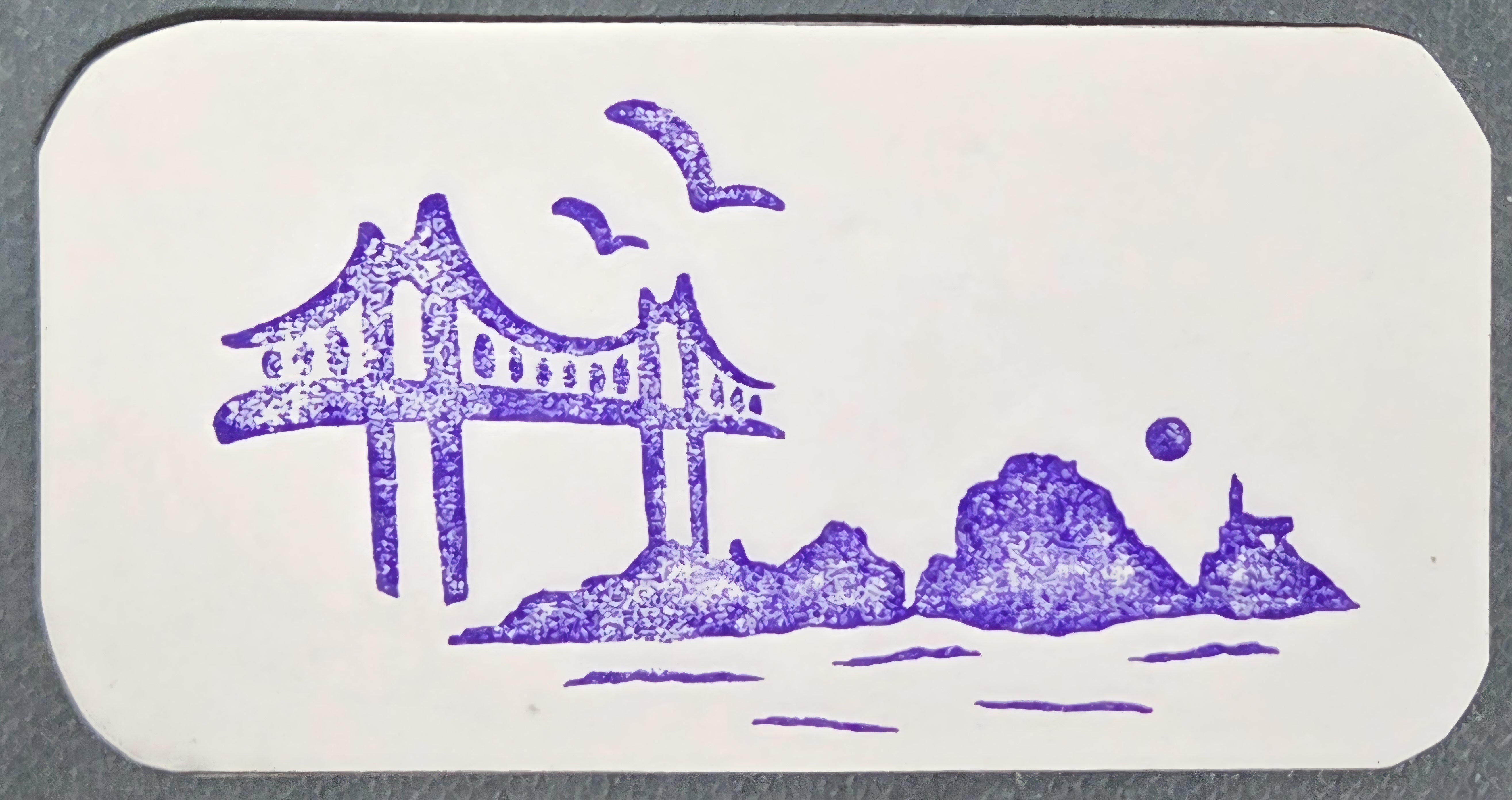

6.25 참전 기념비는 우리나라 각지에 산재해 있다. 그중 부산의 번화가인 부전동 롯데백화점 부산본점 입구에 1950년 9월 23일 가장 먼저 의료지원간 174명을 파견한 스웨덴 참전비가 있다. 초대 병원장 칼 에릭 그로스 대령은 당시 부산상업고등학교 운동장( 지금의 서면 롯데백화점과 호텔자리 )에 200병상 규모의 야전병원을 설립하여 부상병뿐만 아니라, 민간인까지 돌보면서 선진의료기술을 전해 주었다.
스웨덴은 전쟁이 끝난 후에도 대연동으로 병원을 옮겨 6년 6개월 동안 1,124명의 의료진이 200만 명 이상의 환자를 돌봐주었으며 특히 BCG 접종을 통해 결핵 퇴치에 많은 공헌을 했다.
부산 사람들은 아직도 `서전(瑞典, 스웨덴의 한자식 표기)병원`의 고마움을 잊지 못하고 있다.
스웨덴을 비롯하여 인도, 덴마크, 노르웨이, 이탈리아 등 5개국의 의료지원단은 모두 부산으로 들어왔기에 태종대공원에는 의료지원단 참전 기념비가 세워져 있다. 그 중 스웨덴, 덴마크, 노르웨이 3개 나라는 1958년 폐허가 된 서울에 최신 의료시설을 갖춘 국립의료원을 세우고 전국의 환자들에게 무료진료와 함께 의료기술도 전수해 주었다. 이들 의료진을 위한 식당 `스칸디나비안 클럽`은 외교관들으 고급 사교장이 되었으며, 바이킹 식 음식문화인 뷔페를 우리나라에 최초로 소개한 식당 이기도 하다.
서봉총과 스웨덴 구스타프 6세(1882~1973) 이야기
구스타프 6세는 44세때 1926년 10월 10일 조선을 방문했다. 왕세자비 루이즈 마운틴 배튼과 함께 신혼여행을 겸한 방문 이었다.
당시 경주에서는 1921년 금관총, 1924년 금령총, 1926 서봉총 순서로 발굴이 이루어 지고 있었다. 다른 고분과 달리 1926년 발굴된 서봉총은 발굴유물과는 상관없는 "서봉" 이라는 이름을 얻게된다. 이는 구스타프 6세가 직접 발굴현장을 방문하고 참여했기 때문에 붙여진 이름이다.
한자식 이름으로 스웨덴을 서전(瑞典 Seo jeon) 이라고 발음한다. 마침 무덤에서 발굴된 금관 장식에서 봉황(鳳凰 Bong hwang, korean phoenix) 문양의 장식이 있어 '서봉' 이라 명명하게 된 것이다. 瑞典 + 鳳凰 = 瑞 鳳 (Seo Bong)
발굴 한달만에 유물들은 서울로 옮겨 졌다.
당시 서봉총 발굴책임자는 '코이즈미 아키오' 일본인 이었다. 이후 시간이 흘러 코이즈미는 평양박물관 관장으로 부임하게 된다.
1935년경 평양박물관 관장으로 있던 그는 그해 9월 10일 특별전을 준비하고 있었다. 구스타프 6세가 경주를 방문한 당시 1926년 발굴단장 이었던 고이즈미 아카오는 발굴된 왕관과 허리띠를 평양으로 가져와 평양기생 차릉파 에게 착용 시킨다. 술자리에 불려온 5명의 기생중 가장 미인 이었다 한다. 그는 주변인들 에게 "세상의 오해가 있을 수 있으니 누구에게도 말하지마라.." 비밀을 약속하고 유물을 착장한 차릉파의 사진을 찍었다.
그러나 9개월 후 조선일보에 1936년 6월 23일 유물을 착장한 차릉파의 사진과 함께 이 사실이 보도되었다.
구스타프6세가 이 사실을 전해 들었는 지는 모른다.
1950년 6월 25일 한국 전쟁이 시작되었고 같은 해 1950년 10월 68세로 구스타프 6세는 국왕으로 즉위했다.
1951년 부산야전병원에 근무하던 간호사들에게 경주교동 최부자 고택을 방문해서 사진을 찍어오라 했다고 한다. 1926년 서봉총 발굴 당시 머물렀던 곳이었다. 구스타프 6세는 사랑채에 묵었지만 금남구역인 부엌과안채를 못봐서 아쉬워 했다 전한다.
구스타프6세는 인연을 소중히 여긴 사람 이었다. 1926년 경주박물관에서 일한 청년 고고학자 최남주(1905~1980)와 편지를 주고 받았다고 하는데 100여통이나 되었다 한다.
최남주는 비석탁본, 고미술품 복사본을 왕에게 보내주었고 왕은 전시실을 꾸미기도 했다 한다. 한국전쟁때 스웨덴 의료진이 한국에 파견될때 구스타프 6세는 "경주에 들러 최남주를 만나고 서봉총도 찾아 보라." 했다 한다.
서봉총은 그 후 스웨덴 외교관들의 필수 코스가 되었다. 최남주는 1971년 스웨덴 왕실 최고 훈장인 바자훈장을 받았다. 1973년 구스타프 6세가 선정하고 1975년 구스타프 16세가 최남주씨를 초청했었다. 1980년 최남주씨도 돌아가셨다.
1994년 11월 17일 구스타프 6세의 손자인 칼 구스타프 16세가 방문했을 때 고 최남주 선생의 아들인 최정필 세종대 고고학 교수를 경주 서봉총에서 만났다.
경주 문화원에 있는 전나무는 선왕 구스타프 6세가 심었던 것으로 이를 보러갔던 구스타프 16세는 "선왕의 자취가 이렇게 잘 보전되어 있는지 몰랐다." 라며 감격했다 전한다.
Memorials honoring the veterans of the Korean War can be found throughout Korea. Among them is a monument dedicated to the Swedish medical support team, located at the entrance of the main branch of Lotte Department Store Busan Main Store in the bustling district of Seomyeon, Busan. Sweden was the first country to dispatch a medical support unit, sending 174 personnel on September 23, 1950. Colonel Carl Erik Groth, the first director of the hospital, established a 200-bed field hospital on the grounds of Busan Commercial High School — the present site of the Lotte Department Store and hotel in Seomyeon. The hospital treated not only wounded soldiers but also civilians, introducing advanced medical technology to Korea.
Even after the war ended, Sweden relocated the hospital to Daeyeon-dong and continued its medical mission for six and a half years. During that time, 1,124 medical personnel treated more than two million patients. In particular, Sweden made a significant contribution to eradicating tuberculosis through widespread BCG vaccinations. To this day, the people of Busan still remember with gratitude the “Seojeon Hospital” — “Seojeon” being the Sino-Korean pronunciation of Sweden (瑞典).
Medical support units from five countries — Sweden, India, Denmark, Norway, and Italy — all entered Korea through Busan, and a memorial monument dedicated to these medical teams now stands in Taejongdae Resort Park. Among them, Sweden, Denmark, and Norway later collaborated in 1958 to establish the National Medical Center in war-ravaged Seoul, equipped with state-of-the-art medical facilities. They provided free medical treatment to patients across the country while also sharing modern medical techniques with Korean professionals.
The “Scandinavian Club,” a restaurant created for these foreign medical staff, later became an exclusive social venue for diplomats. It is also remembered as the first place to introduce the Scandinavian-style buffet dining culture to Korea.
The Story of Seobongchong Tomb and King Gustaf VI Adolf of Sweden
Gustaf VI Adolf visited Korea on October 10, 1926, at the age of forty-four. The trip also served as a honeymoon journey with Crown Princess Louise Mountbatten.
At that time, archaeological excavations were actively taking place in Gyeongju: Geumgwanchong Tomb had been excavated in 1921, Geumnyeongchong in 1924, and Seobongchong in 1926. Unlike the other tombs, Seobongchong received a unique name unrelated to its actual relics. The name was given because Gustaf VI Adolf personally visited and participated in the excavation site.
In Sino-Korean characters, Sweden is written as “瑞典” (Seo-jeon). Coincidentally, a decorative phoenix motif was discovered on a golden crown ornament unearthed from the tomb. Since “phoenix” is written as “鳳凰” (Bong-hwang), the tomb came to be named “Seobong” by combining the two characters:
瑞典 (Seo-jeon, Sweden) + 鳳凰 (Bong-hwang, Phoenix) = 瑞鳳 (Seo-bong)
Only one month after the excavation, the artifacts were transferred to Seoul.
The chief archaeologist in charge of the excavation was a Japanese scholar named Koizumi Akio. Years later, he became the director of the Pyongyang Museum. Around September 10, 1935, while preparing for a special exhibition, Koizumi brought the excavated golden crown and belt to Pyongyang and had them worn by a famous gisaeng named Cha Reung-pa, who was said to be the most beautiful among five entertainers invited to a banquet. Koizumi secretly photographed her wearing the royal artifacts and reportedly warned those present, “People may misunderstand this, so do not tell anyone.”
However, nine months later, on June 23, 1936, the incident was exposed in the Chosun Ilbo newspaper together with photographs of Cha Reung-pa wearing the artifacts.
It is unknown whether Gustaf VI Adolf ever heard about this controversy.
On June 25, 1950, the Korean War broke out. Later that same year, at the age of sixty-eight, Gustaf VI Adolf ascended the throne as King of Sweden.
It is said that during the Korean War, the king asked Swedish nurses stationed at the Busan field hospital to visit the historic house of the Choi family in Gyo-dong, Gyeongju, and bring back photographs. This had been the very place where he stayed during the 1926 excavation of Seobongchong. Although Gustaf VI Adolf had stayed in the men’s quarters of the traditional house, he reportedly regretted that he had not been able to see the kitchen and women’s quarters, which were traditionally restricted to men.
Gustaf VI Adolf deeply valued personal connections. He exchanged letters with a young Korean archaeologist named Choi Nam-ju (1905–1980), who worked at the Gyeongju Museum in 1926. More than one hundred letters were reportedly exchanged between them.
Choi Nam-ju sent the king rubbings of ancient stone inscriptions and reproductions of Korean antiquities, which the king used to organize exhibitions in Sweden. When Swedish medical teams were dispatched to Korea during the Korean War, Gustaf VI Adolf reportedly instructed them: “Visit Gyeongju, meet Choi Nam-ju, and see Seobongchong.”
Afterward, Seobongchong became a must-visit destination for Swedish diplomats visiting Korea. In 1971, Choi Nam-ju received the Royal Order of Vasa, one of Sweden’s highest honors. Gustaf VI Adolf selected him for the honor in 1973, and King Carl XVI Gustaf later invited him to Sweden in 1975. Choi Nam-ju passed away in 1980.
On November 17, 1994, when Carl XVI Gustaf visited Korea, he met Professor Choi Jeong-pil of Sejong University — the son of the late Choi Nam-ju — at Seobongchong in Gyeongju.
A fir tree planted by Gustaf VI Adolf still stands at the Gyeongju Cultural Center. Upon seeing it during his visit, Carl XVI Gustaf was reportedly deeply moved, saying, “I had no idea that the traces of my grandfather had been preserved so well.”

'밥벌이Livelihood' 카테고리의 다른 글
| 주먹도끼와 흑요석( 2 ) 후지무라 신이치(藤村新一) 사건Acheulean hand axe" (아슐리안형 주먹도끼),"Shinichi Fujimura scandal 후지무라 신이치(藤村新一) 사건 (0) | 2026.06.16 |
|---|---|
| 주먹도끼와 흑요석( 1 ) Hand Axes and Obsidian (0) | 2026.06.15 |
| 한국인 성씨 Family names in Korea (0) | 2026.05.20 |
| 달마도(3) A Zen painting of Bodhidharma (1) | 2026.05.03 |
| 달마도(2) A Zen painting of Bodhidharma (0) | 2026.05.03 |