
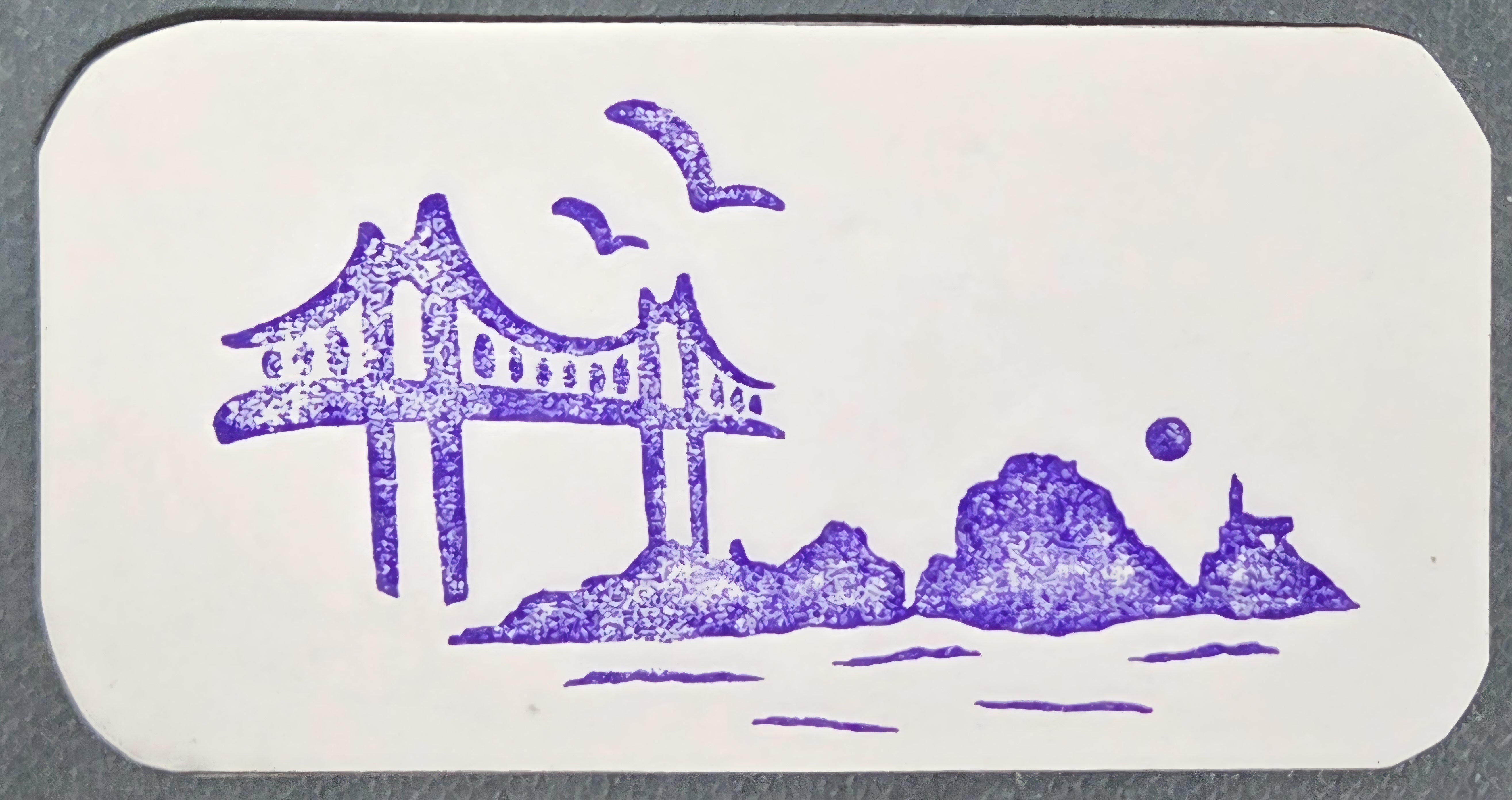

양동마을은 안동하회 마을과 함께 2010 유네스코에 지정되었다. 하회마을이 강물이 휘돌아 가는 강 마을이라면 양동마을은 산을 의지한 산 마을이다. 하회는 풍산 류씨들의 단일한 동성부락이지만 양동마을은 월성 손씨와 여강 이씨의 두 씨족으로 구성된 집성촌이다.
안동 하회마을과 함께 유사한 씨족마을 공동체로써 경주 '손'씨 여강 '이' 씨 550년간 같은 마을에서 전통을 유지하며 살고 있다.
전체 건물수는 401동, 한식 기와집은 124체, 시멘트기와 108체, 초가지붕이 100여체 이다.
초가지붕은 유지관리가 어렵다. 초가지붕을 짓기위해서는 볏짚이 필요한데 벼의 품종개량과 콤바인등의 농기구 사용으로 초가지붕에 쓰는 알맞은 볏짚을 구하기 어렵다. 또한 초가지붕을 지어본 경험을 가진 농부가 적어지고 고령화되어 초가지붕을 짓는 기술을 가진 사람을 구하기 어렵다. 해마다 짓는것이 바람직하나 지금은 2년에서 3년 간격으로 바꾼다.
마을은 `모으다` 라는 말에서 비롯된 모듬살이의 기본 단위이다.
생활공동체이면서 생산공동체이다.
여러 마을 형태가운데 조선시대 향촌사회를 특정짓는 일반적 형태는 씨족마을이다. 씨족마을 이란 동성동본인 사람들과 그집안에 결혼해서 들어오는 여자로 구성된다.
우리나라에 성씨 본관제도가 보급된 것은 고려초기, 일반화된것은 고려말 후기 이다. 고려시대 세력집단은 행정을 담당하던 향리계층 이었고 조선은 새로운 성리학을 공부한 신진사대부 였다. 조선시대에는 전국에 관리가 파견되었고 중앙에서 파견된관리와 그를 보좌하는 사람들이 읍성을 중심으로 살았고 씨족마을은 조금 떨어진 곳에 살았다.
조선시대 사회이동은 크게 두가지 유형으로 나눈다.
첫째는 좋은농경지와 성리학적 이상에 맞는 곳을 찾아 만들어진 씨족마을로 안동하회마을,
두번째는 혼인을 통해 처가족으로 이주하면서 만들어진 마을로 양동마을이 대표적이다.
조선시대 씨족마을은 양동이나 하회처럼 뛰어난 조상이 있는 명문 가문에서 시작되었다.
1930년대 조사에 따르면 전국의 전체 마을 수는 28,000여개 그 중 15,000개가 씨족 마을이 었고 유명한 양반씨족 마을은 1600군데가 있었다.
씨족마을의 이상적 입지는 산줄기와 물줄기로 아늑하게 둘러싸이고 앞으로 넓은 들을 두고 뒤로는 산줄기를 기댄곳, 배산임수 지형이다.
양동마을은 하회와 같이 강이 직접 맞닿아 있지는 않지만 주변에 형산강이 흐른다. 형산강은 신라시대에 굴연 혹은 굴연천이라 불렀고 김정호의 대동여지도에는 형강이라 기록되어 있다.마을의 모습이 한자로 `말 물(勿)`자를 거꾸로 놓은 형상으로 생겼는데 산세는 경주의 재물이 형산강의 안락천에 실려 양동마을로 모두 들어오는 형상이라고 한다. 산을 등지고 물을 내려다본다는 배산임수형인데 임신한 개가 새끼를 낳는 형상으로 땅의 기운이 물(勿)자 어께 부분에 모두 응집된다고 한다. 물(勿)자형 양동마을은 풍수지리상 문자형 명당 마을인데 우리나라에서는 유일한 형태이다.
풍수사상은 고대로 부터 전해졌다. 풍수사상은 그 입지를 선정하는 것이 당대의 사람이나 후손에게 길흉에 영향을 미친다는 다소 주술적인 내용이 있지만 현대의 토지이용 면에서 보면 참고 할 만한 내용이 많다. 풍수에는 도읍이나 마을의 지리를 고르는 양기풍수, 집터를 정하는 양택풍수, 묘자리를 정하는 음택풍수가 있다.
양동마을의 주산은 설창산으로 산줄기를 통해서 산의 기운이 전해진다.
앞산인 안산은 성주산으로 암석이 없고 흙이 많고 나무가 많은 부드러운 형태를 한다. 문필봉, 삿갓봉, 마늘봉 이라 한다. 자연의 생김새를 닮아서 사람의 심성을 부드럽게 해서 마을에 범죄자가 없고 학문에 뜻이 높아 과거에 합격한 사람을 많이 배출한다. 마을은 내곡, 물봉골, 거림, 장터골을 중심으로 거주지가 형성되어 있는데 물(勿)자 능선을 중심으로 나누어진다. 능선은 서쪽으로 갈수록 낮고 북동쪽으로 갈수록 높아지는데 각 능선과 그 사이로 진입로가 있는 골짜기들은 서쪽에서 동남쪽으로 향하고 있다. 즉 마을의 진입로 쪽이 경사가 급한 산으로 시선이 차단되어 골짜기 밖에서는 마을의 모습이 드러나지 않는다.
양동은 조선초기 취락이 형성되었고 청동기 철기시대 부터 사람이 살았다. 성주산 정상의 구릉지에 10여 기나 되는 청동기 시대 무덤이 있다. 고려시대말 부터 조선시대 초기까지 오씨와 장씨가 작은 마을을 이루었다고 한다. 양동마을이 현재와 같은 명성을 얻게 된 것은 월성 손씨와 여강 이씨(여주이씨 경주파)가 조선 초 혼인을 통해 처가에 들어와 살면서 부터이다.
두 씨족이 장기거주 약 550년간 거주하며 경쟁적으로 인재를 배출하며 지낸 곳은 중국에도 보기 드물다. 큰 집들이 즐비 한것은 큰 인재가 났다는 말로 당시에는 부촌이었고 신분 최상등급의 제일 양반이라 칭하는 사람들이 살았다는 것을 말해준다.
과거 많은 이들이 이곳 사람들과 혼인관계를 맺기 원했고, 지금까지도 손씨와 이씨 집안은 혼인을 통한 인척관계를 유지해 오고 있다. 안동 하회 마을의 경우 원래 살았던 허씨와 안씨는 사라졌지만, 양동 마을은 처음 살기 시작한 성씨와 사위로 들어온 성씨가 지금까지 함께 살고 있다. 이런 경우는 우리나라에서 양동 마을이 유일하다고 알려져 있다.
현재 전국에 8개 민속마을이 있고 1984년 하회마을과 함께 민속마을로 가장 먼저 지정 됐다. 2010년 양동과 하회마을이 세계유산으로 지정되면서 우리나라 세계유산 14개중에 10번째에 해당하게 된다. 우리나라 유산은 산사나 서원 같이 집합적단위로 지정되는 특징이 있다.
입구의 양동초등학교는 1909년 개교해서 110여년 이상의 역사를 가진 곳이다. 지금은 70여 명의 학생들 다니고 있고 다른지역에서도 온다. 1909년 까지는 동네 학교 였지만 1910년 한일 합방이후 내선일체를 목적으로 공립화가 진행되었고 보통학교가 되었다.
학교뒤 납작한 지붕은 교회다. 70년 정도의 역사를 가진 일제시대에 지어진 것으로 목사님이 계시다.
현재 150가구 살고 300명 거주한다. 기와 220채 , 초가 190채 있다. 95% 사람이 산다. 초가가 노비, 기와가 양반집 이라는 이분법적 사고는 금물이다. 외부인도 유입되나 그 수는 적고 집을 팔겠다고 내놓은 사람이 없다. 사고파는 것은 가능하고 모든재산은 사유재산이다. 허나 마을전체가 문화재 이다보니 수리 개조는 맘대로 못한다. 매표소 수익은 몇 % 동네 기금으로 쓴다. 초가는 지붕을 전부 가는데 2달 걸린다. 좋은 집들은 대부분 언덕위에 있다. 일조량이 좋고 뒤로 설창산이 바람을 막아주기 때문이다.
북쪽 서당은 '이' 씨 , 입구 쪽은 '손' 씨로 경쟁이 치열했다. 혼인으로 맺어진 인척이 후대에 오면서는 가문경쟁을 하게 된다. 어느 가문에서 과거급제자를 많이 내는가 가 관건이었다. 서당이 춥고 험한 곳에 있는건 학문의 길 또한 그러함을 보여주기 위함이다. 공자도 제자가 3000명 이었는데, 약간의 선물만 가져오면 누구나가 배울수 있다 하였다. 마을 안에 정자가 13개나 있었고 서로 경쟁적으로 지었다 한다.
이 마을은 구릉지-->골-->구릉지-->골 로 되어 있어서 겉에서는 안보이는 곳이 많다.
한국전쟁 당시 북한군이 영천 안강에서 퇴각했다 한다. 경주시 안강읍은 가장 치열한 격전지 중 하나로 당시 동북쪽 최종 방어선으로 학도의용병이 가장 많이 희생된 곳이다.
지금의 경주가 무사할수 있었던 것은 많은 이들의 희생 덕분이다.
이 마을 50% 는 한국전쟁 당시때 불탔다. 전성기에는 300가구 2500명까지 살았다 한다. 작은 평지는 다 집터이다.
무첨당은 여강 '이'씨 집터이다. 작은문은 쪽문, 협문 이라 한다. 대문은 평생 두번 지나간다. 시집올때, 죽어서 장례칠때 이다. 전선는 지하에 매설 되어 있어 전봇대가 없다. 마을 전체에 12개의 공동우물 있다. 지금 우물물은 경작용으로만 쓴다. 예로 부터 우물가는 마을 소문의 진원지 였다. 그 소문을 동네 모든 사람이 알기까지 1시간이체 걸리지 않았다. 물깃기 힘들어 우물 곁에 살기를 바라는 아낙네가 많았다. 우물가에 향나무를 심어둔 것은 향나무는 새가 앉지 않고 벌레를 물리친다. 향나무 옆에 과일나무 심으면 잘 안된다. 벌을 쫓아 버리니 열매를 맺지 못한다.
Yangdong Village
Yangdong Village was inscribed on the UNESCO World Heritage List in 2010 together with Hahoe Village in Andong.
If Hahoe is a river village embraced by a winding stream, Yangdong is a mountain village nestled against gentle hills.
Hahoe is a single-clan village of the Ryu family of Pungsan, while Yangdong is a clan village formed by two noble lineages: the Wolseong Son clan and the Yeogang Yi clan.
For more than 550 years, these two families have lived together in the same village, preserving their traditions through marriage alliances and scholarly competition. Such a long-standing dual-clan community is extremely rare, even in China.
Village Scale and Housing
Today, Yangdong Village contains about 401 buildings.
Among them are:
124 traditional tile-roofed houses (hanok)
108 cement-tile houses
Over 100 thatched-roof houses
Maintaining thatched roofs is particularly difficult. Proper rice straw is required, but due to modern rice varieties and the use of combine harvesters, suitable straw is now hard to obtain. In addition, skilled farmers who know how to build thatched roofs are aging, and fewer craftsmen remain. Ideally, thatched roofs should be replaced annually, but today they are renewed every two to three years.
The word “village” in Korean originates from the idea of “gathering together.” A village was both a living community and a productive community.
Clan Villages in the Joseon Dynasty
Among the various types of settlements, the typical rural form of the Joseon Dynasty was the clan village.
A clan village consisted of people sharing the same surname and ancestral origin, along with women who married into the family.
The Korean surname–clan origin system (bon-gwan) was introduced in the early Goryeo period and became widespread in the late Goryeo period.
During Goryeo, local administrative elites (hyangni) were the dominant power group. In Joseon, however, the emerging Neo-Confucian scholar-officials (sadaebu) became the ruling class.
In the Joseon period, government officials were dispatched nationwide. They and their assistants lived near the town fortress (eupseong), while clan villages were usually located some distance away.
There were two main types of social movement that led to clan village formation:
1. Villages established in search of fertile land and an ideal Neo-Confucian setting — Hahoe Village is an example.
2. Villages formed when a son-in-law moved into his wife’s family home — Yangdong Village is the representative example.
According to a 1930s survey, there were about 28,000 villages nationwide; 15,000 of them were clan villages. Among these, about 1,600 were well-known aristocratic clan villages.
Feng Shui and the Landscape
The ideal site for a clan village followed the principle of baesanimsu — “mountains at the back and water in front.”
Yangdong does not directly face a river like Hahoe, but the Hyeongsan River flows nearby.
In ancient times, the Hyeongsan River was called Gullyeon or Gullyeoncheon during the Silla period, and it appears as “Hyeonggang” on Kim Jeong-ho’s 19th-century map, Daedongyeojido.
The shape of the village resembles the Chinese character 勿 (mul), turned upside down. According to geomantic belief, the surrounding mountain ridges channel the wealth of Gyeongju along the Hyeongsan River into Yangdong. The landform is also said to resemble a pregnant dog giving birth, symbolizing concentrated vital energy at the “shoulder” of the character 勿.
Yangdong is considered the only “character-shaped auspicious site” village in Korea.
Feng Shui has been transmitted since ancient times. Although it contains mystical elements suggesting that location influences the fortune of descendants, from a modern land-use perspective it offers practical environmental wisdom.
There are three types of Feng Shui:
Selection of capitals or villages (Yanggi Feng Shui)
Selection of house sites (Yangtaek Feng Shui)
Selection of grave sites (Eumtaek Feng Shui)
Mountains and Topography
The main guardian mountain (Jusan) of Yangdong is Seolchangsan, believed to transmit mountain energy into the village.
The front mountain (Ansan), Seongjusan, is soft in appearance — rich in soil and trees rather than rocky cliffs. Its peaks are called Munpilbong (Writing Brush Peak), Satgatbong (Bamboo Hat Peak), and Maneulbong (Garlic Peak). Because these shapes resemble gentle natural forms, people believed they would cultivate refined character and scholarly success. Indeed, the village produced many successful civil service examination candidates and was said to have no criminals.
The residential areas developed around Naegok, Mulbonggol, Georim, and Jangteogol. The ridges become lower toward the west and higher toward the northeast. The valleys and access roads run from west to southeast. Because the village entrance faces steep slopes, the interior is hidden from outside view.
Historical Background
Although the present settlement dates to the early Joseon period, archaeological evidence shows that people lived here since the Bronze and Iron Ages. More than ten Bronze Age tombs remain on the hilltop of Seongjusan.
From the late Goryeo to early Joseon period, the Oh and Jang families formed small settlements here.
Yangdong gained prominence when members of the Wolseong Son and Yeogang Yi clans moved into their wives’ families through marriage in the early Joseon period.
The large houses indicate the emergence of outstanding scholars and high-ranking aristocrats. At the time, it was a wealthy village inhabited by top-ranking yangban elites. Many families sought marriage ties with them, and even today intermarriage continues between the two clans.
Unlike Hahoe, where the original Heo and Ahn families disappeared, Yangdong is unique in Korea because both the original residents and the incoming son-in-law families still live together.
Modern Status
There are currently eight designated folk villages in Korea. Yangdong and Hahoe were the first to be designated in 1984. In 2010, they were inscribed as World Heritage sites, becoming Korea’s 10th World Heritage listing (at the time, out of 14 total).
Korean World Heritage sites are often inscribed collectively, such as mountain temples (Sansa) or Confucian academies (Seowon).
Today:
About 150 households
Around 300 residents
Approximately 95% of the houses are inhabited
The simplistic idea that thatched houses belonged to servants and tile-roof houses to aristocrats is inaccurate.
All property is privately owned, and houses can be bought and sold. However, since the entire village is designated as cultural heritage, repairs and renovations are strictly regulated. A portion of ticket revenue is allocated to village funds.
Education, Competition, and Community Life
Yangdong Elementary School, at the village entrance, was founded in 1909 and has over 110 years of history. Today about 70 students attend, some from outside the village.
The northern Confucian school belonged to the Yi clan, while the entrance area was dominated by the Son clan. Competition between the two clans was intense — especially in producing successful candidates in the state examinations.
Confucian schools were often located in cold and remote areas to symbolize the hardships of scholarly pursuit. Confucius himself is said to have taught 3,000 disciples and welcomed anyone willing to learn with even a modest gift.
There were once 13 pavilions (jeongja) in the village, built competitively by different families.
Korean War and Reconstruction
During the Korean War, fierce battles took place in nearby Angang, one of the northeastern defensive lines. Many student volunteer soldiers lost their lives there.
About 50% of Yangdong Village burned during the war.
At its peak, the village had about 300 households and 2,500 residents. Nearly every small flat area was once a house site.
Everyday Life Details
Mucheomdang was the residence of the Yeogang Yi clan.
A small side gate is called a “jjokmun” or “hyeopmun.”
The main gate is traditionally passed only twice in a lifetime: when entering as a bride and when leaving for one’s funeral.
All power lines are underground — there are no utility poles.
There are 12 communal wells. Today, the well water is used mainly for farming.
Traditionally, the well was the center of village gossip — news spread throughout the village in less than an hour. Many women wished to live near the well to avoid the hardship of carrying water.
Juniper trees were planted near wells because birds do not perch on them and insects avoid them. However, fruit trees do not thrive nearby, since juniper repels bees and prevents pollination.

'밥벌이Livelihood' 카테고리의 다른 글
| 진정한 예술가 A true artist (0) | 2026.02.28 |
|---|---|
| 한류정리"To briefly summarize Hallyu" (0) | 2026.02.24 |
| 독락당獨樂堂 Dongnakdang (1) | 2026.02.11 |
| 옥산서원Oksan Seowon( 2 ) (1) | 2026.02.10 |
| 옥산서원Oksan Seowon( 1 ) (1) | 2026.02.09 |